facebook
TYLER (903) 534-1171 REQUEST
APPOINTMENT
Make a
Payment

Dental Tips & Oral Health Advice in Tyler, TX

10 Signs It’s Time to Replace Old Fillings
replace fillings

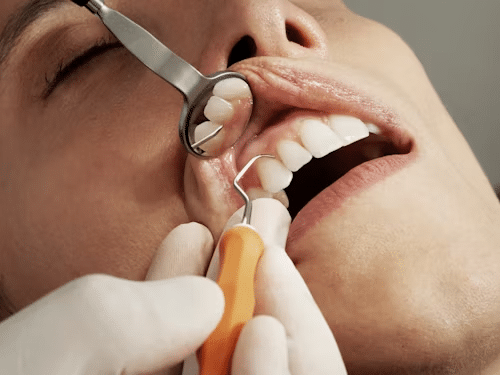
Dental fillings repair cavities, protect weakened tooth structure, and allow you to bite and chew comfortably. However, even a well-placed filling may eventually wear down, loosen, or become damaged. Knowing when to replace fillings can help you address small concerns before decay or fractures cause more extensive problems. 

A filling does not necessarily need attention simply because it is old. Its condition matters more than its age. Regular dental exams allow us to evaluate the restoration, check the surrounding tooth, and recommend treatment when it is genuinely needed. 

How Long Do Dental Fillings Last? 

The lifespan of a filling depends on its material, size, location, and daily use. A small filling in a front tooth may experience very different forces than a large restoration in a molar. 

Other factors that can affect longevity include: 

  • Teeth grinding or clenching
  • Chewing hard foods or ice
  • Oral hygiene habits
  • Recurrent tooth decay
  • Changes in your bite
  • Trauma to the tooth
  • The amount of natural tooth structure remaining

Rather than relying on a specific timeline, watch for the following signs and continue attending routine dental checkups. 

  1. You Feel Pain When Biting

Pain or a sharp sensation when you bite down can indicate that a filling is loose, damaged, or interfering with your bite. It may also point to a crack in the tooth beneath or around the restoration. Because several dental problems can cause biting pain, an examination is necessary to identify the source. 

  1. The Tooth Has Become Sensitive

New sensitivity to hot, cold, sweet, or acidic foods may develop if a filling no longer seals the tooth effectively. Temperature changes can reach the sensitive inner layers through a small opening or worn area. Brief sensitivity does not always mean the filling has failed. Persistent or worsening symptoms, however, deserve professional attention. 

  1. You Notice a Visible Crack

You may be able to see a fracture in the restoration when looking in a mirror. Cracked fillings can allow bacteria and food particles to enter areas that are difficult to clean, increasing the risk of decay beneath the restoration. Avoid chewing hard foods on that side until the tooth can be evaluated.  

  1. Part of the Filling is Missing

A filling may chip or break, leaving a rough spot, indentation, or visible opening. You might also find a small piece of material in your mouth while eating or brushing. Even if the tooth does not hurt, the exposed area may be vulnerable to bacteria and additional damage. Schedule an appointment rather than waiting for discomfort to appear. 

  1. The Filling Feels Loose

A stable restoration should not shift when you chew or touch it with your tongue. Movement may mean the bond between the filling and tooth has weakened. Do not attempt to press, glue, or otherwise repair a loose filling yourself. Household adhesives are not safe for use in the mouth and can make professional treatment more difficult.  

  1. Food Regularly Gets Stuck Around It

Food that repeatedly collects around the same tooth may indicate that the filling’s shape has changed or that a gap has developed along its edge. This can irritate nearby gum tissue and make cleaning more challenging. Frequent floss shredding or catching near the restoration may be another clue that an edge has become rough or uneven. 

  1. Your Bite Feels Different

A damaged or shifting restoration can change how your teeth meet. You may feel as though one tooth touches first or notice discomfort when chewing. Bite changes should be evaluated promptly. Continuing to place uneven pressure on the tooth could contribute to additional wear or fracturing. 

  1. The Filling Has Rough or Sharp Edges

Running your tongue over the tooth may reveal an edge that feels jagged, sharp, or unusually rough. This could result from everyday wear, a small chip, or a fracture. Sharp areas may irritate your tongue or cheek. They can also signal that the restoration no longer has its original contour and integrity. 

  1. The Tooth or Filling Looks Discolored

Some filling materials naturally change appearance over time. However, darkening around the restoration’s edges or a visible shadow beneath the tooth may indicate staining, leakage, or recurrent decay. Discoloration alone does not confirm a problem. We may need an examination and dental X-rays to determine what is happening below the visible surface. 

  1. You Have Persistent Toothache or Swelling

Ongoing pain, throbbing, gum swelling, or tenderness around a filled tooth can indicate advanced decay, inflammation, or infection. These symptoms require timely care, especially when accompanied by fever, facial swelling, drainage, or a bad taste. Depending on the condition of the tooth, treatment could involve a new filling, crown, root canal, or another restorative option. Prompt evaluation may provide more opportunities to preserve the tooth. 

Protect Your Restored Teeth 

If you suspect it may be time to replace fillings, do not wait for a minor concern to become a painful dental problem. At Smith Dental Care, we provide careful evaluations and personalized restorative care for patients in Tyler and throughout East Texas. Contact us today to schedule an appointment and protect the health, comfort, and function of your smile. 
Benefits of Cosmetic Dentistry for a Confident Smile in Tyler

benefits of cosmetic dentistry

Your smile can influence how you feel when meeting new people, speaking in public or posing for photographs. If stains, chips, gaps, or uneven teeth make you hesitant to smile, cosmetic treatment may offer a personalized solution. Understanding the benefits of cosmetic dentistry can help you decide whether improving your teeth could support both your appearance and your confidence. 

Cosmetic care is not about creating the same “perfect” smile for everyone. Modern treatment is tailored to your features, oral health, and personal goals. Whether you want to make one subtle adjustment or explore a more complete transformation, the process should begin with a thorough evaluation and an honest discussion with a qualified dentist. 

What Is Cosmetic Dentistry? 

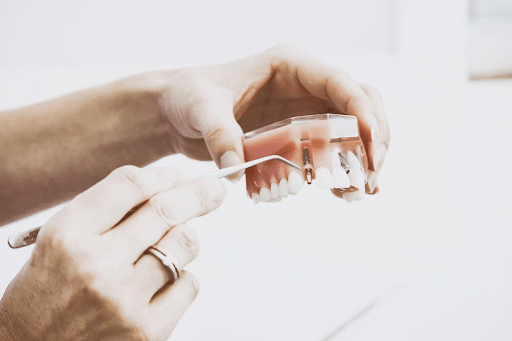
Cosmetic dentistry includes procedures designed primarily to improve the appearance of the teeth and smile. Treatment may address discoloration, minor damage, uneven spacing, tooth shape, or alignment concerns. 

Depending on your needs, cosmetic options may include: 

  • Professional teeth whitening
  • Porcelain veneers
  • Tooth-colored bonding
  • Invisalign treatment
  • Cosmetic crowns or restorations
  • A customized combination of treatments

Some procedures also provide functional advantages. A crown, for example, can improve the appearance of a damaged toothwhile helping restore its strength. Orthodontic treatment can create a more attractive smile while making crowded teeth easier to clean. Your dentist can explain which options are cosmetic, restorative, or a combination of both. 

A Brighter, More Consistent Smile 

Coffee, tea, tobacco, aging, and certain foods can leave teeth looking dull or discolored. Professional whitening can reduce many common stains and create a noticeably brighter appearance. Unlike over-the-counter products, professional treatment is planned around the condition of your teeth and the level of whitening you want to achieve. 

Whitening is not suitable for every type of discoloration, and it will not change the color of crowns, veneers, or fillings. A dental evaluation can identify the source of staining and determine whether whitening or another procedure is the better choice. 

Cosmetic care can also improve consistency across your smile. Treatment may refine the color, size, shape, or proportions of individual teeth so they look more balanced together. 

Treatment for Chips, Gaps, and Uneven Teeth 

Even small imperfections can attract your attention whenever you look in the mirror. Bonding or veneers may be used to address minor chips, worn edges, irregular shapes, or spaces between teeth. Dental bonding uses tooth-colored material that is shaped and polished to blend with the surrounding teeth. It can be a practical option for relatively small changes. Veneers are thin coverings placed on the front of selected teeth and may be recommended when a patient wants to address multiple cosmetic concerns at once. 

Neither treatment is automatically right for everyone. The dentist must consider factors such as enamel condition, bite alignment, tooth grinding, and existing dental work. This evaluation helps prevent a cosmetic improvement from creating avoidable functional problems. 

Straighter Teeth Without Traditional Braces 

Crooked, crowded, or widely spaced teeth can affect both appearance and oral hygiene. Invisalign treatment uses a planned series of clear aligners to gradually reposition the teeth. The aligners are removable, making it easier to eat, brush, and floss than it may be with fixed braces. 

Clear aligners can be appealing to adults and teens who want a less noticeable orthodontic option. However, successful treatment depends on wearing them consistently and following the prescribed schedule. More complex alignment or bite issues may require a different approach. 

For people researching “how to improve smile Tyler TX,” a professional consultation is important because visible alignment concerns may be connected to the bite, jaw position, or long-term tooth wear. 

A Plan Designed Around Your Priorities 

Cosmetic treatment does not always have to happen all at once. If you have several concerns, your dentist may recommend completing care in phases based on your priorities, budget, and oral health. Before beginning, issues such as active decay, gum disease, or infection generally need to be addressed. Building cosmetic improvements on a healthy foundation helps protect the quality and longevity of the results. 

Ask questions about: 

  • What the procedure can realistically accomplish
  • How long treatment and recovery may take
  • Whether results are temporary or long-lasting
  • What maintenance will be required
  • How the treatment may affect existing restorations
  • The total expected cost and available payment options

A clear plan allows you to make informed decisions without feeling pressured into treatment that does not match your needs. 

Explore Your Cosmetic Dentistry Options in Tyler 

The benefits of cosmetic dentistry can extend beyond a more attractive appearance. Personalized care may help you feel more at ease when smiling while also addressing certain concerns involving alignment, wear, or damaged teeth. The right treatment begins with realistic expectations and guidance from an experienced dental team. 

At Smith Dental Care, we take time to understand your goals and develop a personalized plan for a healthy, confident smile. From professional whitening and veneers to Invisalign treatment and other cosmetic options, we provide modern dentistry with a personal touch. Contact us today to schedule a consultation and discover what may be possible for your smile. 

Cost of Cosmetic Dentistry in Tyler, TX: What to Expect

cosmetic dentistry Tyler TX

If you’re considering improving your smile, one of the first questions you probably have is about cosmetic dentistry cost in Tyler, TX. The answer depends on your individual goals, the treatments you choose, and the complexity of your case. While it’s natural to want a specific price, cosmetic dentistry isn’t one-size-fits-all, so estimates can vary significantly from patient to patient. 

Rather than focusing on a single number, it’s more helpful to understand what influences the cost, what types of treatments are available, and how financing options can make care fit more comfortably within your budget. 

Why Cosmetic Dentistry Costs Vary 

Every smile is unique, and so is every treatment plan. Some patients are looking for a simple enhancement, while others want a complete smile transformation involving multiple procedures. Cosmetic dentistry is a broad category that covers a lot of different treatment options. It’s understandable that they don’t all cost the same. 

Several factors can affect the overall investment, including: 

  • The type of cosmetic treatment being performed
  • The number of teeth being treated
  • Whether restorative work is needed before cosmetic procedures
  • The materials selected
  • The complexity of the treatment plan
  • The amount of time required to complete treatment

A comprehensive consultation allows your dentist to evaluate your oral health, discuss your goals, and recommend options that fit both your needs and your budget. 

Sometimes Cosmetic Treatment Includes Restorative Care 

Many people assume cosmetic dentistry focuses only on appearance, but improving a smile often starts with creating a healthy foundation. For example, your dentist may recommend treating cavities, gum disease, or damaged teeth before placing veneers or beginning whitening treatments. Addressing these concerns first helps improve both the longevity and appearance of cosmetic work. 

Although this may increase the initial investment, it often leads to more predictable and longer-lasting results. 

The Value Goes Beyond Appearance 

While cost is an important consideration, it’s equally important to think about the value cosmetic dentistry can provide. Many patients pursue treatment because they want to:

  • Feel more confident smiling
  • Improve stained or discolored teeth
  • Repair chips or cracks
  • Close small gaps
  • Create a more balanced smile
  • Replace missing teeth

Most cosmetic procedures also provide functional benefits. Correcting worn, damaged, or misaligned teeth can improve comfort, support better oral hygiene, and help preserve long-term dental health. 

Will Insurance Help Cover Cosmetic Dentistry? 

Purely cosmetic procedures are often not covered by dental insurance. However, coverage depends on the reason for treatment. If a procedure also restores the function of a damaged tooth, such as a crown following a fracture or certain implant-related services, insurance may contribute toward a portion of the treatment. 

Because every dental plan is different, it’s helpful to verify your benefits before beginning treatment. Understanding your expected out-of-pocket costs ahead of time makes it easier to plan with confidence. 

Financing Can Make Treatment More Manageable 

Many patients delay cosmetic dentistry because they assume they must pay for treatment all at once. Fortunately, that isn’t always the case. Many dental practices offer third-party financing that allows qualified patients to spread treatment costs into manageable monthly payments. This approach can make larger procedures much easier to budget for instead of postponing treatment until the full amount can be paid upfront. 

When comparing providers, ask about:

  • Available monthly payment plans
  • Financing application requirements
  • Promotional financing offers, when available
  • Insurance coordination for covered procedures

Having these conversations before treatment begins can help eliminate surprises and allow you to move forward with greater confidence. 

Choosing Value Over the Lowest Price 

It’s understandable to compare costs, but the least expensive option isn’t always the best investment. Experience, technology, quality materials, personalized treatment planning, and comprehensive follow-up care all contribute to the long-term success of cosmetic dentistry. Choosing a provider based solely on price may result in additional treatment or replacement costs later. 

Planning for Your New Smile 

Whether you’re interested in whitening your teeth, correcting minor imperfections, or completely transforming your smile, understanding the factors that influence pricing helps you make informed decisions. Instead of searching for one fixed number, consider the overall value of your treatment, the quality of care you’ll receive, and the financing options available to help make your goals attainable. 

As you consider cosmetic dentistry cost in Tyler, TX, know that we are here to help you understand your options without pressure. Contact us at Smith Dental Care to schedule your consultation and learn which cosmetic solutions are right for you. 

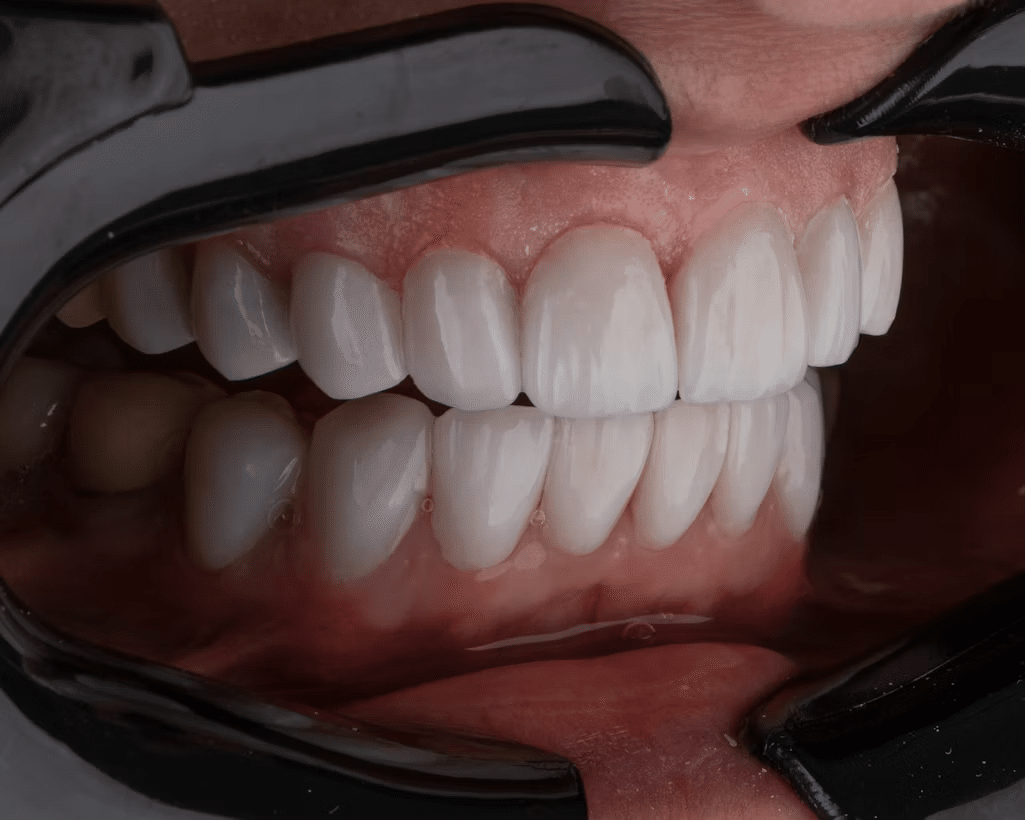
Veneers in Tyler, TX: A Fast Way to Fix Your Smile

veneers Tyler TX

If you’ve ever wished you could quickly improve the appearance of your smile, you’re not alone. Many people feel self-conscious about chipped teeth, discoloration, small gaps, uneven shapes, or minor wear that affects their confidence. Fortunately, veneers in Tyler, TX, offer a popular cosmetic solution that can address multiple concerns at once and deliver dramatic results in a relatively short amount of time. 

For many patients, veneers provide an opportunity to achieve a brighter, more balanced smile without extensive dental procedures. Understanding how veneers work, who may benefit from them, and what to expect can help you decide whether they are the right option for your goals. 

What Are Veneers?

Veneers are thin shells that are bonded to the front surfaces of teeth to improve their appearance. They are commonly used to address cosmetic concerns such as:

  • Chipped teeth
  • Cracks or minor damage
  • Stubborn discoloration
  • Small gaps between teeth
  • Uneven tooth sizes
  • Misshapen teeth
  • Mild cosmetic alignment concerns

Because veneers are custom-made for each patient, they are designed to blend naturally with the rest of the smile while creating a more uniform appearance. Veneers have become one of the most popular cosmetic dentistry treatments because they can transform several aspects of a smile at the same time. 

Why Patients Might Choose Veneers

Many cosmetic dental treatments focus on correcting a single issue. Teeth whitening addresses stains. Bonding repairs chips. Orthodontics focuses on alignment. Veneers can often improve several concerns simultaneously, making them appealing to patients who want comprehensive cosmetic improvements without undergoing multiple procedures. 

Patients who elect veneers do so because they can:

  • Create a brighter smile
  • Improve tooth symmetry
  • Cover cosmetic imperfections
  • Enhance confidence in photos and social situations
  • Deliver natural-looking results

The goal is not to create an artificial-looking smile. A well-designed veneer treatment plan should complement a person’s facial features and preserve a natural appearance. 

The Process Is Often Faster Than People Expect

One reason veneers remain so popular is that the process can typically be completed in just a few appointments. While every case is different, treatment typically includes the following steps.

  • Consultation and Evaluation: The first step is discussing your goals and concerns. Your dentist will evaluate your teeth, gums, bite, and overall oral health to determine whether veneers are an appropriate option. 
  • Treatment Planning: If veneers are recommended, the shape, size, color, and overall appearance of the new smile are carefully planned. This step is important because the best cosmetic results come from thoughtful customization rather than a one-size-fits-all approach. 
  • Preparation and Impressions: A small amount of enamel may be removed from the front surface of the teeth to create room for the veneers. Digital scans or impressions are then used to create custom restorations. Modern cosmetic dentistry in Tyler, TX, typically utilizes advanced imaging and planning technology to help achieve precise results. 
  • Placement: Once the veneers are ready, they are bonded to the teeth and adjusted as needed to ensure comfort, function, and appearance. For many patients, the transformation can feel surprisingly dramatic despite the conservative nature of the procedure. 

What Concerns Can Veneers Address?

Veneers are highly versatile, which is one reason they remain a popular cosmetic treatment. They may be recommended for patients dealing with: 

Cosmetic Concern Potential Veneer Solution
Tooth discoloration Covers deep stains resistant to whitening
Chipped teeth Restores a smooth appearance
Minor gaps Creates a more uniform smile
Uneven teeth Improves balance and symmetry
Worn enamel Enhances appearance and shape
Misshapen teeth Creates consistency throughout the smile

Not every cosmetic concern requires veneers, but they can be an effective option when you want multiple improvements.

Caring for Veneers After Treatment

Maintaining veneers is generally straightforward. We usually encourage patients to: 

  • Brush twice daily
  • Floss regularly
  • Attend routine dental checkups
  • Avoid using teeth as tools
  • Wear a nightguard if teeth grinding is a concern

Consistent dental care helps protect both the veneers and the natural teeth underneath them. Many patients are surprised to learn that caring for veneers often looks very similar to caring for natural teeth.

The Confidence Factor

While veneers are a cosmetic treatment, many patients find that the benefits extend beyond appearance alone. When people feel more comfortable with their smiles, they may become more confident during conversations, professional interactions, social events, and family photos. Smiling naturally instead of trying to hide teeth can make a meaningful difference in daily life.

That confidence boost is often one of the most rewarding aspects of cosmetic dentistry in Tyler, TX.

A Faster Path to a More Confident Smile

For patients looking to improve discoloration, chips, gaps, uneven teeth, or other cosmetic concerns, veneers in Tyler, TX, can provide a relatively fast and effective solution. With a customized treatment plan and proper care, veneers can create a brighter, more balanced smile that looks natural and feels comfortable.

If you’re interested in learning whether veneers are right for you, our team at Smith Dental Care would be happy to help. We take a personalized approach to cosmetic dentistry and work closely with every patient to create results that fit their goals, lifestyle, and smile. Schedule a consultation today.

© 2026 Smith Dental Care | All Rights Reserved | Site Map
Back to Top
Privacy Policy - Terms of Use - HIPAA Notice - Accessibility Statement - Nondiscrimination Notice