


Is Mouthwash Necessary? What Dentists Actually Recommend
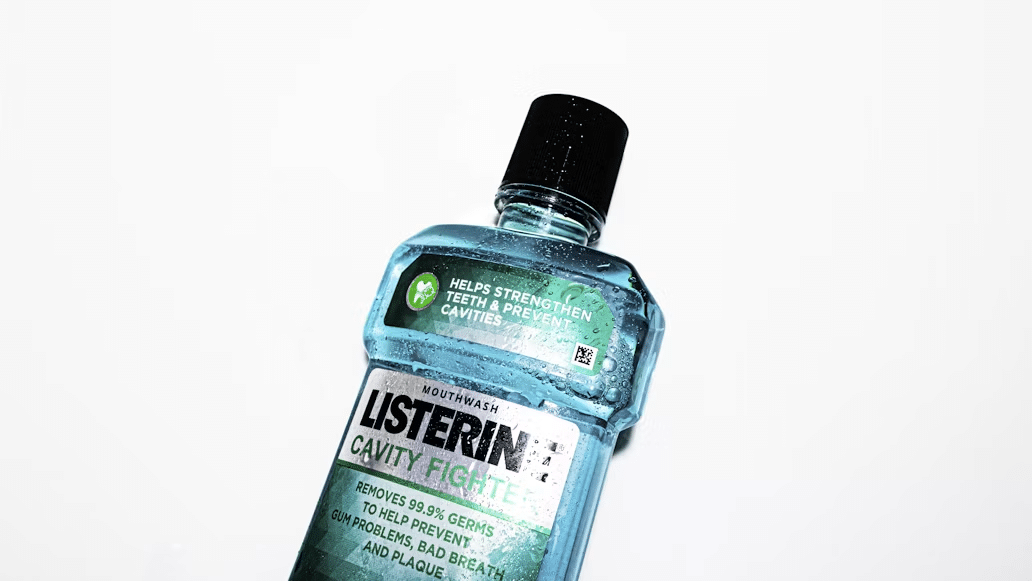
Mouthwash can be a valuable addition to your daily oral hygiene routine. Depending on the formula you choose, mouthwash benefits may include fresher breath, stronger enamel, added cavity protection, and better control of plaque or gingivitis. However, not every rinse does the same job, and not every patient needs the same product.
At Smith Dental Care, we want our patients to understand how mouthwash works, when we may recommend it, and how to choose a rinse that supports their individual oral health needs.
Is Mouthwash Really Necessary?
For most people, mouthwash is not a replacement for the essential parts of daily dental care. Brushing twice a day with quality toothpaste and cleaning between your teeth with floss once a day remains the foundation of a healthy routine.
However, that does not mean mouthwash is unnecessary. The right rinse can provide additional support in areas where you need it most. We may recommend one to help prevent cavities, manage plaque, support gum health, relieve dry mouth, or address persistent bad breath.
Think of mouthwash as another useful tool rather than a shortcut. It works best when combined with consistent brushing, flossing, healthy eating habits, and regular dental visits.
Not All Mouthwash Is the Same
Before choosing a bottle based on its flavor or packaging, look at what the product is designed to do. Mouthwashes generally fall into two categories: cosmetic and therapeutic.
A cosmetic rinse can temporarily freshen your breath and leave your mouth feeling cleaner. However, it may not address the bacteria or dental condition causing an unpleasant odor.
Therapeutic mouthwash contains active ingredients intended to produce a specific oral health result. Depending on the product, it may be formulated to:
- Help prevent tooth decay
- Strengthen tooth enamel
- Reduce plaque buildup
- Help control gingivitis
- Relieve symptoms of dry mouth
- Reduce bacteria associated with bad breath
Some therapeutic rinses are available over the counter, while others require a prescription. We can help you determine which type makes sense for your smile.
Fluoride Rinses Can Provide Extra Cavity Protection
Fluoride helps strengthen enamel and makes teeth more resistant to acid attacks that contribute to decay. Although fluoride toothpaste provides important daily protection, some patients may benefit from adding a fluoride rinse.
We may suggest a fluoride mouthwash for someone who has a history of frequent cavities, orthodontic appliances, exposed tooth roots, or another factor that increases the risk of decay. It may also be helpful when brushing certain areas thoroughly is difficult.
More fluoride is not automatically better for every person, however. Product directions and professional recommendations matter, especially when selecting oral care products for children.
Antimicrobial Mouthwash Can Support Gum Health
Plaque contains bacteria that can irritate the gums. If plaque is not removed effectively, the gums may become red, tender, swollen, or prone to bleeding. Certain antimicrobial mouthwashes can help reduce bacteria and supplement a strong home-care routine.
A rinse may be especially useful for patients managing gingivitis or those who have difficulty cleaning effectively around dental work or orthodontic appliances. In some cases, we may prescribe a stronger rinse for short-term use following a procedure or while treating a particular condition.
Mouthwash cannot remove hardened tartar, and it does not replace professional dental cleanings. Still, it can play a positive supporting role in maintaining healthier gums.
Mouthwash May Help with Bad Breath
Temporary bad breath can develop after eating certain foods or drinking coffee. A refreshing rinse can quickly improve how your mouth tastes and smells. When bad breath continues despite regular brushing and flossing, however, simply covering the odor may not be enough. Persistent bad breath can be associated with plaque buildup, gum disease, tooth decay, dry mouth, or another concern that deserves attention.
We encourage you to tell us if bad breath has become a recurring problem. Once we identify the likely cause, we can recommend a rinse or treatment that addresses more than the symptom.
How to Use Mouthwash Effectively
Follow these steps to get the most from your mouthwash:
- Read the product label. Check how much mouthwash to use, how long to rinse, and how often the product is recommended.
- Measure the correct amount. Use the cap or a measuring cup rather than estimating.
- Swish for the recommended time. Move the rinse throughout your mouth, including around your teeth and along the gumline.
- Spit it out completely. Mouthwash should never be swallowed. Follow the label’s instructions regarding eating, drinking, or rinsing with water afterward.
- Use it at the appropriate time. Some rinses are best used separately from brushing to avoid washing away the concentrated fluoride from your toothpaste.
- Ask us for personalized guidance. We can recommend the right product, frequency, and timing based on your oral health needs.
Find the Right Oral Care Routine for Your Smile
The most important mouthwash benefits come from selecting the right formula and using it as part of a complete dental care routine. A rinse can offer meaningful additional support for your teeth, gums, and breath, but recommendations should reflect your health history and current needs.
At Smith Dental Care, we provide personalized guidance to help patients throughout Tyler make confident oral care choices. If you have questions about mouthwash or want to improve your daily routine, contact us to schedule an appointment.