
Night Guards: The Ultimate Guide to Protection, Comfort & Long-Term Oral Health
Night guards play a pretty important (and yet commonly overlooked) role in protecting teeth, relieving jaw tension, and supporting long-term oral health. So many patients don’t realize they need one until damage has already started. A night guard is a dental appliance that’s worn while sleeping to protect the teeth from grinding and clenching, conditions commonly associated with bruxism. These appliances create a protective barrier between the upper and lower teeth, helping to reduce wear, minimize pressure on the jaw, and prevent long-term complications.
We often see patients who are surprised to learn how common nighttime grinding and clenching truly are. Bruxism affects millions of people, many of whom have no idea it’s happening because it occurs during sleep. Over time, this unconscious habit can lead to worn enamel, cracked teeth, jaw pain, headaches, and disrupted sleep.
Beyond tooth protection, night guards are closely tied to comfort and overall sleep quality. Reducing muscle tension in the jaw can ease morning soreness, limit headaches, and help patients wake up feeling more rested. When grinding issues are managed early on, we can often prevent the need for more extensive dental treatments down the road.
In this guide, we’ll walk through what causes nighttime grinding, how to recognize the signs, how night guards work, and the different types available. We’ll also explain what to expect if you’re considering a custom night guard, how to care for it properly, and who benefits most from wearing one. Our team at Smith Dental Care helps patients protect their smiles with professionally designed night guards that fit comfortably and support long-term oral health.
What Causes Teeth Grinding and Clenching at Night?
Teeth grinding and clenching don’t have just one single cause. In most cases, bruxism develops from a combination of physical, emotional, and lifestyle-related factors. Understanding what’s driving the behavior is an important step toward managing it effectively.
Contributing Factors
- Stress and Anxiety: Emotional stress often shows up physically at night. When the body is tense during sleep, the jaw muscles may remain active, leading to clenching or grinding. Work pressure, personal stress, and anxiety disorders can all increase nighttime muscle activity, even if stress isn’t obvious during the day.
- Misaligned Bite or Bruxism-Related Bite Issues: When teeth don’t align properly, the jaw may subconsciously attempt to “correct” the bite during sleep. This neuromuscular response can trigger grinding patterns, particularly in patients with a history of orthodontic treatment, bite shifts, or missing teeth.
- Sleep Disorders Such as Sleep Apnea: There is a well-documented connection between bruxism and disrupted sleep. Patients with sleep apnea or other sleep-related breathing disorders may grind their teeth as the body reacts to interrupted airflow. Loud snoring, gasping during sleep, or chronic fatigue can indicate an underlying sleep condition occurring alongside bruxism.
- Lifestyle Factors: Certain habits can increase jaw activity at night. Caffeine, alcohol, and tobacco use have all been linked to increased grinding and clenching. Some medications, particularly antidepressants and stimulants, may also contribute by affecting muscle activity or sleep cycles.
- Age and Developmental Considerations: Teeth grinding can appear differently depending on age. In children and teens, grinding is often temporary and linked to growth or tooth eruption. In adults, however, bruxism is more likely to become a chronic condition without intervention.
When these factors overlap, the risk of ongoing grinding increases. Addressing the behavior early, rather than waiting for symptoms to worsen, can make a significant difference in protecting teeth, relieving discomfort, and preserving long-term oral health.
Signs and Symptoms of Nighttime Grinding

Photo by Slaapwijshedi.nl on Unsplash
Because teeth grinding and clenching happen during sleep, many patients don’t realize there’s an issue until symptoms become hard to ignore. In fact, one of the most common things we hear is, “I didn’t know I was grinding my teeth until my dentist pointed it out.” Recognizing the signs early can help prevent lasting damage and make treatment far more straightforward.
Tooth Wear and Damage
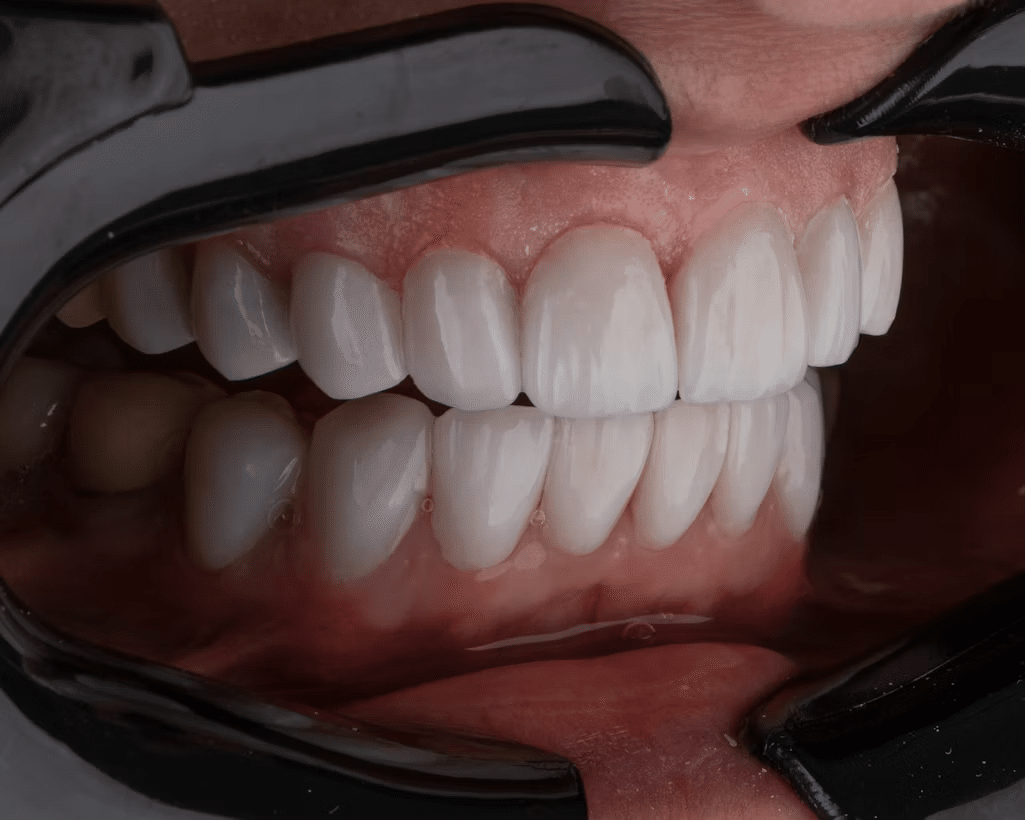
One of the clearest indicators of nighttime grinding is visible wear on the teeth. Over time, repeated grinding places excessive force on enamel, gradually breaking it down. We often see flattened chewing surfaces, small chips along the edges of teeth, or enamel that looks thin or translucent. In more advanced cases, grinding can contribute to cracks, fractures, or even tooth sensitivity as the protective enamel layer wears away.
These changes usually happen slowly, which is why they’re easy to miss without a professional exam. Left untreated, however, enamel loss is permanent and may require restorative treatment.
Jaw and Facial Pain
Jaw discomfort is another common symptom of nighttime clenching and grinding. Many patients report waking up with soreness or tightness in the jaw, especially near the temporomandibular joint (TMJ). This discomfort may fade as the day goes on, making it tempting to dismiss it, but it often returns each morning.
Persistent jaw muscle strain can also lead to facial pain, limited jaw movement, or clicking and popping sensations when opening or closing the mouth.
Headaches and Earache Sensations
Morning headaches are frequently linked to nighttime grinding, particularly headaches that feel concentrated around the temples or sides of the head. These headaches result from prolonged muscle tension rather than sinus or neurological issues.
Some patients also experience ear-related symptoms, such as pressure, ringing, or aching, even though no ear infection is present. Because the jaw joint sits close to the ear canal, grinding-related tension is sometimes misdiagnosed as an ear or sinus problem before the true cause is identified.
Sleep Disruption and Partner Complaints
In some cases, it’s a sleep partner who notices the problem first. Audible grinding sounds during the night are a strong indicator of bruxism and can significantly disrupt shared sleep. Even when grinding isn’t loud, the physical act of clenching can interrupt restful sleep, leading to daytime fatigue or poor sleep quality.
Patients may not remember waking during the night, but still feel unrested or sore in the morning.
Other Indicators
There are also more subtle signs that can point to nighttime grinding. Tooth sensitivity to hot or cold, a feeling of jaw tightness throughout the day, or difficulty fully relaxing the jaw muscles can all be related. Some patients notice they frequently clench their teeth during stressful moments during the day, which can mirror nighttime behavior.
Taken together, these symptoms form a pattern. Identifying that pattern early allows us to intervene before grinding leads to more serious dental or joint issues.
What Night Guards Do and How They Work
Once nighttime grinding or clenching is identified, the next question is often how to protect the teeth and relieve the associated discomfort. This is where night guards come in. While they may look simple, night guards play an important role in reducing damage, easing muscle tension, and supporting healthier sleep patterns over time.
A properly designed night guard doesn’t stop the grinding behavior itself, but it significantly reduces its impact. By interrupting the direct contact between upper and lower teeth, night guards help protect both the teeth and the jaw joints from excessive force.
Protective Barrier Between Teeth
One of the primary functions of night guards is creating a physical barrier between the teeth. During grinding episodes, this barrier absorbs and redistributes pressure that would otherwise be applied directly to enamel and restorations.
By wearing a night guard consistently, patients can:
- Limit enamel wear and surface flattening
- Reduce the risk of chipped or cracked teeth
- Protect crowns, veneers, and other restorations
This protective layer is especially important for patients who already show signs of wear or who have invested in restorative dental work they want to preserve long-term.
Muscle Relaxation and Jaw Support
Night guards also influence how the jaw muscles behave during sleep. Grinding and clenching keep the jaw muscles engaged for extended periods, which leads to fatigue, soreness, and tension around the TMJ.
When a night guard is in place, it helps position the jaw in a way that reduces muscle overactivation. Many patients notice:
- Less jaw soreness in the morning
- Reduced facial tension throughout the day
- Fewer episodes of jaw locking or tightness
While results vary, consistent use often leads to meaningful relief over time.
Comfort and Sleep Quality
Beyond dental protection, night guards can have a noticeable impact on sleep comfort. Reducing jaw tension can make it easier for the body to relax during sleep, which supports deeper, more restorative rest.
There’s also a psychological component. For patients who are aware of their grinding habits, wearing a night guard provides reassurance that their teeth are protected. That peace of mind alone can reduce stress around sleep and contribute to better overall rest.
Short-Term Protection vs. Long-Term Management
It’s important to understand that night guards serve both immediate and long-term purposes. In the short term, they protect teeth from ongoing damage. Over the long term, they help manage chronic grinding by minimizing its effects on the teeth, jaw, and surrounding structures.
For some patients, night guards are a temporary solution during periods of stress. For others, they become a long-term part of maintaining oral health. In both cases, the goal is to preserve the smile while improving comfort and function.
Types of Night Guards

Photo by Diana Polekhina on Unsplash
Not all night guards are the same, and choosing the right type can make a significant difference in comfort, effectiveness, and long-term results. Patients often ask whether an over-the-counter option is good enough or if a custom night guard is really necessary. The answer depends on the severity of grinding, comfort needs, and overall oral health goals.
Understanding the different types of night guards helps set realistic expectations and supports better decision-making. It’s always a good idea to speak to your dentist about the best option for your needs as well.
Over-the-Counter and Stock Guards
Over-the-counter night guards are pre-formed appliances available at pharmacies or online. These guards are designed to fit a wide range of mouths, which makes them easy to access but also limits how precisely they fit.
Some patients are drawn to stock guards because they are inexpensive and readily available. They may be suitable for very mild, short-term grinding or as a temporary option while waiting for a custom solution.
However, stock guards often come with trade-offs. Because they are not molded to an individual’s bite, they can feel bulky, shift during sleep, or place uneven pressure on the teeth and jaw. In some cases, a poor fit may even increase jaw discomfort rather than reduce it.
Boil-and-Bite Night Guards
Boil-and-bite night guards offer a step up from stock options by allowing the wearer to soften the material in hot water and mold it to their teeth at home. This process creates a more customized fit than a pre-formed guard, though it still lacks the precision of a professionally made appliance.
These guards are often chosen by patients who want a balance between affordability and customization. They can provide moderate protection and may be helpful for mild to moderate clenching.
That said, boil-and-bite guards still have limitations. The fit depends heavily on how well the molding process is done, and the material can wear down relatively quickly. Over time, changes in fit may reduce comfort or effectiveness.
Custom Dental Night Guards
Custom dental night guards are made specifically for an individual’s mouth using impressions or digital scans taken by a dental professional. These guards are designed to fit precisely, distribute pressure evenly, and align with the patient’s bite.
Because of this precision, custom night guards are often recommended for patients with moderate to severe grinding, jaw pain, or existing dental restorations. They are also more comfortable for long-term use, which improves consistency and results.
Custom guards can be made from different materials depending on the patient’s needs, grinding intensity, and comfort preferences.
Comparing Materials: Soft, Firm, and Hybrid
Material choice plays a major role in how a night guard feels and functions. There is no single best material for everyone, which is why customization can be so helpful.
Soft night guards are typically more flexible and cushioned. They can feel more comfortable initially and are often used for mild clenching. However, very aggressive grinders may wear through soft materials more quickly.
Firm or hard night guards are thinner and more durable. They are commonly recommended for heavy grinders because they resist wear and provide strong protection. While they may feel less cushioned at first, many patients adapt quickly.
Hybrid or dual-laminate guards combine a soft inner layer with a firm outer shell. This design balances comfort with durability and is frequently used for patients who need protection without excessive bulk.
Specialty Night Guards
Some patients require more specialized designs based on their specific conditions.
For patients with TMJ-related symptoms, certain night guards are designed to help position the jaw in a way that reduces joint strain. These appliances may differ in thickness or contact points to support muscle relaxation.
In cases where sleep apnea or other sleep-related conditions are present, night guards may need to be coordinated with broader sleep treatment. While night guards are not a treatment for sleep apnea, their design may take airway considerations into account when used alongside other therapies.
Choosing the right type of night guard is about matching the appliance to the underlying issue, lifestyle, and long-term oral health goals.
Custom Night Guards: What to Expect

Photo by Filip Rankovic Grobgaard on Unsplash
Getting a custom night guard is a straightforward process designed to ensure comfort, proper fit, and long-term effectiveness. While the appliance itself is custom-made, the steps involved are simple and easy to understand.
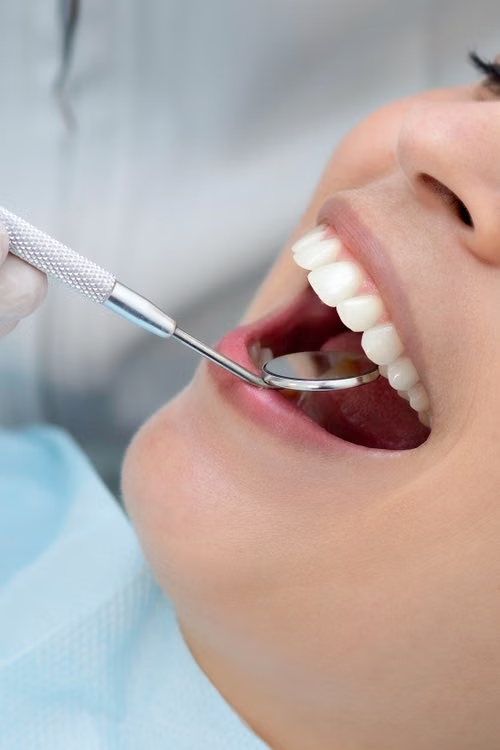
- Consultation and Evaluation: We begin by examining your teeth, jaw, and bite to look for signs of grinding or clenching. This includes discussing symptoms like jaw pain, headaches, or disrupted sleep, as well as reviewing your dental history. Understanding how your jaw functions and where pressure occurs helps us determine the most appropriate type of night guard for your needs.
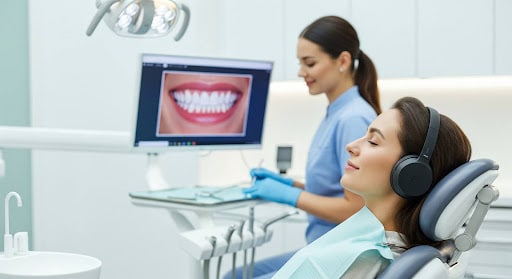
- Impressions or Digital Scanning: Next, we capture precise impressions of your teeth, often using digital scanning technology. This creates an accurate model of your bite, which is essential for designing a night guard that fits securely and distributes pressure evenly while you sleep.
- Custom Lab Fabrication: Your impressions or scans are sent to a dental laboratory, where the night guard is crafted to the exact specifications selected during your evaluation. Material type, thickness, and design are all tailored to your grinding pattern and comfort preferences.
- Fitting and Adjustments: Once your night guard is ready, we check the fit and make any necessary adjustments. The goal is a guard that feels comfortable, stays in place, and protects your teeth without interfering with your bite or sleep.
Night Guard Care and Maintenance
Taking proper care of night guards is essential for both hygiene and longevity. With regular use, a night guard is exposed to saliva, bacteria, and grinding forces, so consistent care helps keep it effective and comfortable.
Daily cleaning should be simple and done each morning after use. Rinsing the guard with cool or lukewarm water and gently brushing it with a soft toothbrush helps remove debris and buildup. Toothpaste is not always recommended, as abrasive formulas can wear down the material over time.
In addition to daily cleaning, occasional deep cleaning can help maintain freshness. This may include soaking the guard in a dentist-approved cleaning solution or using tablets designed specifically for dental appliances. Hot water should always be avoided, as heat can warp the guard and affect its fit.
When not in use, night guards should be kept in a ventilated case and allowed to dry completely. Leaving a guard exposed on a bathroom counter or storing it in a sealed, damp container can promote bacterial growth and odors.
With consistent care, most night guards remain comfortable and functional for extended periods, making maintenance a small but important part of protecting your oral health.
Costs, Insurance, and Value
Cost is a common consideration when patients explore night guards, and pricing can vary based on the type of appliance and level of customization. Over-the-counter options are typically less expensive upfront, while custom dental night guards reflect the added precision, materials, and professional oversight involved.
Insurance coverage varies by plan. Some policies offer partial coverage when a night guard is prescribed to address bruxism or protect dental restorations, while others may have specific limitations. Our team helps patients review their benefits so they understand potential coverage before moving forward.
Who Should Consider a Night Guard?
Night guards aren’t just for people who know they grind their teeth. Many patients benefit from wearing one before significant damage or discomfort develops. A night guard may be recommended if you fall into any of the following categories:
- Patients diagnosed with bruxism or who show visible signs of grinding
- Individuals who experience jaw pain, facial soreness, or TMJ-related symptoms
- People with crowns, veneers, implants, or other dental restorations that need protection
- Patients who frequently clench their teeth during stress or sleep
- Athletes or individuals with a history of jaw tension or muscle overuse
For patients in these situations, a night guard can play an important role in protecting teeth, reducing strain, and supporting long-term oral health.
Myths and Misconceptions About Night Guards
There are several common misunderstandings about night guards that often prevent patients from seeking treatment sooner.
“Night guards cure bruxism.”
Night guards don’t cure grinding or clenching, but they do protect the teeth and jaw from damage.
“Custom night guards are overkill for everyone.”
While not every patient needs a custom solution, many benefit from the improved fit, comfort, and durability. For moderate to severe grinding, or for patients with restorations, customization makes a difference.
“Night guards are uncomfortable to wear.”
A properly fitted night guard should feel comfortable and secure. Initial awareness is normal, but most patients adjust quickly.
“I’ll grow out of my grinding or clenching.”
While some children and teens may outgrow grinding behaviors, adult bruxism is often ongoing without intervention.
Final Thoughts
Night guards play an important role in protecting teeth from grinding and clenching while supporting comfort and long-term oral health. By reducing enamel wear, easing jaw strain, and helping prevent more serious dental issues, night guards offer a practical way to preserve your smile and improve overall sleep quality.
If you’re experiencing symptoms or your dentist has told you grind your teeth, we’re here to help. At Smith Dental Care, we take a personalized approach to evaluating your needs and creating night guards designed for comfort, protection, and lasting results. We encourage you to schedule an evaluation with our team and take a proactive step toward safeguarding your oral health.