



Cosmetic Dentistry Explained: Your Guide to a Healthier, More Confident Smile
Feeling comfortable with your smile can influence how you approach photographs, conversations, and everyday interactions. Cosmetic dentistry focuses on improving the color, shape, position, and overall appearance of teeth, but thoughtful treatment planning considers much more than appearance. Your oral health, bite, comfort, and long-term maintenance matter, too.
At Smith Dental Care, we help adults throughout Tyler and East Texas explore options that fit their individual needs. You may want to brighten stained teeth, repair one chipped edge, or coordinate several treatments. Whatever your starting point, we want you to understand your choices without feeling pressured.
The first step is scheduling a consultation. We will listen to your concerns, evaluate your teeth and gums, and discuss an appropriate treatment plan. This guide explains the options, questions, and practical considerations that can help you prepare.
What Is Cosmetic Dentistry?
Cosmetic dentistry includes treatments intended to improve how your smile looks. Some change tooth color; others reshape visible surfaces, close small spaces, or improve alignment. The goal is a result that suits your preferences while respecting the condition of your natural teeth.
These services often overlap with other areas of dental care. We use the following distinctions to explain how different approaches fit together:
| Type of Care | Main Purpose | Common Examples |
| Preventive | Protect oral health and identify problems early | Exams, cleanings, fluoride, sealants |
| Restorative | Repair damage or replace missing teeth | Fillings, crowns, bridges, dentures, implant restorations |
| Cosmetic | Improve visible color, shape, and smile balance | Whitening, bonding, crowns, veneers |
| Orthodontic | Move teeth and address alignment or bite concerns | Clear aligners, braces, retainers |
We will always consider what each procedure accomplishes as we create a treatment plan tailored to you.
Common options include:
- Professional teeth whitening
- Invisalign and orthodontics
- Crowns or Veneers
- Dental bonding
What Types of Concerns Does Cosmetic Dentistry Address?
You may have one tooth that draws your attention every time you smile, or several concerns you would like to address together. At Smith Dental Care, we offer cosmetic dentistry options for a range of changes, from brightening tooth color to improving the balance of your smile.
- Stained or discolored teeth
- Chips and cracks
- Uneven or worn teeth
- Gapping
- Minor alignment concerns
- Irregular tooth shapes or sizes
- Missing teeth
- Prior dental work that needs updating
- Multiple concerns for your smile goals
We will help you understand which options best fit your concerns and what each treatment can realistically accomplish.
Some Cosmetic Treatment Plans Require Health-Related Treatments

Photo by Jonathan Borba on Unsplash
A brighter smile still needs a healthy foundation. Active decay, gum disease, infection, or significant structural damage may require treatment before elective improvements. Covering a tooth does not eliminate an underlying problem, and cosmetic work cannot substitute for treating disease.
We start with an examination of your teeth, gums, existing restorations, and bite. We may recommend a dental cleaning and taking diagnostic images when appropriate. Our digital X-rays help us evaluate concerns that are not visible during an ordinary visual examination, including problems between teeth or beneath existing dental work.
Our iTero digital impression system captures detailed three-dimensional surface models using a handheld scanner. These models support planning for aligners and custom restorations while avoiding traditional impression putty in appropriate situations. A scan complements the examination; it does not replace necessary X-rays.
If we identify periodontal concerns, we explain the appropriate next steps for gum disease treatment. We also discuss preventive dental care and home habits that support your results. Completing this groundwork may add appointments to the overall process, but it helps us plan improvements around healthier, more stable conditions.
The Different Types of Cosmetic Treatments
Understanding what a procedure changes in the treatment timeline and process helps you better compare and understand your options. We also consider how much natural tooth structure treatment requires and what future upkeep involves.
Let’s take a closer look at the most common cosmetic solutions we offer at Smith Dental Care.
Professional Teeth Whitening
Whitening uses bleaching agents to lighten natural tooth color. It can be a suitable starting point when your main concern is discoloration and your teeth otherwise have an appropriate shape and position.
We offer professional teeth whitening through in-office treatment and customized take-home options. In-office care provides supervised application, while take-home trays let suitable patients whiten gradually according to our instructions.
Over-the-counter strips and gels can help some people, but their application methods and concentrations differ. Professional care adds an evaluation, personalized guidance, and support if sensitivity develops. Whitening toothpaste primarily addresses surface staining rather than producing the same bleaching effect.
Whitening does not change the color of fillings, crowns, or veneers, and some discoloration responds poorly. We review existing restorations and possible sensitivity before recommending a method.
Dental Bonding
Bonding uses composite resin that we shade, shape, harden, and polish directly on the tooth. It can improve a small chip, close an appropriate space, or adjust an uneven edge.
For limited changes, bonding often preserves more natural tooth structure than porcelain restorations and can frequently be completed in one appointment. It may suit someone who wants a modest correction without committing to several laboratory-made restorations.
Composite is more susceptible to staining and chipping than porcelain. Bite forces, the size of the repair, and habits such as chewing pens affect suitability. We explain whether periodic polishing, repair, or replacement is likely to be part of your long-term plan.
Porcelain Veneers
Porcelain veneers are thin, custom-made shells bonded to the front surfaces of teeth. They can address several visible concerns simultaneously, including shape, color, and selected small spaces.
We plan shade, proportions, and how the veneers relate to surrounding teeth. They may suit patients seeking coordinated changes across several visible teeth when the underlying teeth and gums are healthy.
Traditional veneers usually require enamel preparation, making treatment irreversible. They can also chip or loosen and will eventually need reassessment or replacement. Grinding, inadequate tooth structure, or certain bite conditions may change our recommendation.
We discuss these commitments before treatment so you can weigh appearance goals against the amount of preparation and future maintenance involved.
Invisalign and Other Clear Aligners
Clear aligners use a series of removable trays to move teeth gradually. Our Invisalign treatment may address appropriate spacing, crowding, and alignment concerns. Because trays are removable, you can take them out for eating and oral hygiene. They still require consistent daily wear, scheduled changes, and progress visits.
Some plans involve tooth-colored attachments or additional techniques to guide movement. Clear aligners are discreet, but treatment requires participation rather than simply wearing trays occasionally.
We assess your bite and dental health before recommending this approach. We also explain retention after treatment, because maintaining the new tooth positions is part of the overall commitment.
Orthodontic Treatment
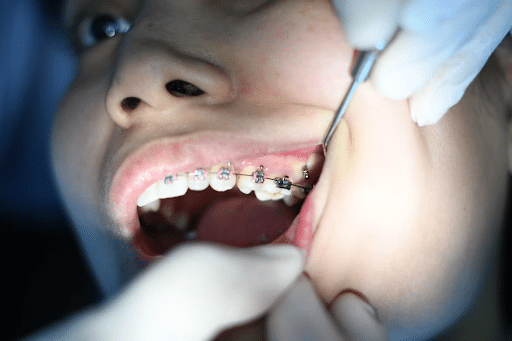
Photo by Atikah Akhtar on Unsplash
Orthodontic care addresses tooth movement and bite relationships. It may be more appropriate than covering a concern when the underlying issue is tooth position. We offer limited orthodontic services and work closely with local orthodontic professionals when patients need more extensive treatment. Our evaluation helps determine whether care fits within our services or a specialist referral would better serve you.
We encourage you to ask why movement is recommended and how it affects later treatment. Aligning teeth first may change the need for veneers or bonding, helping us reconsider the plan once teeth are in their intended positions.
Tooth-Colored Fillings and Dental Crowns
Tooth-colored fillings repair appropriate areas of decay or damage using materials selected to blend with surrounding teeth. Crowns cover the visible portion of a tooth and may be needed when a filling would not provide sufficient support. These treatments primarily restore teeth, but they can also improve color and shape. A crown may suit a significantly weakened or worn tooth; a smaller filling may suit a more limited defect.
We recommend restoration solutions based on the tooth’s condition. Replacing sound dental work solely for appearance requires a discussion of benefits and tradeoffs, including removal of additional tooth structure. Shade selection, bite adjustment, and healthy restoration margins matter as much as how the tooth looks in a photograph.
Treating Missing Teeth
Replacing missing teeth involves both appearance and function. We discuss the available approaches based on how many teeth are missing and the condition of your gums, jawbone, and remaining teeth.
- Dental implants: Posts placed in the jawbone support replacement crowns, bridges, or dentures. Implant care involves surgical planning and healing.
- Dental bridges: Replace one or more teeth in a gap. Traditional bridges use neighboring teeth for support; other designs use implants.
- Partial dentures: Removable appliances replace several missing teeth when some natural teeth remain.
- Full dentures: Replace all teeth in an upper or lower arch.
Implants require suitable conditions for placement and long-term care. Bridges depend on healthy supporting structures. Dentures involve adaptation and ongoing fit checks as the mouth changes. We explain the relevant differences rather than assuming one solution is right for everyone.
Compare Cosmetic Dentistry Treatment Options
Several procedures may address a similar concern, but their scope can differ considerably. A small gap, for example, may prompt a discussion about tooth movement, bonding, or veneers depending on tooth proportions and bite.
This comparison provides a starting point for that conversation:
| Treatment | Commonly Addresses | General Treatment Scope | Important Consideration |
| Whitening | Surface and internal discoloration | Single visit or take-home treatment | Does not change restoration color |
| Bonding | Small chips, gaps, and uneven edges | Often completed in one visit | More prone to staining or chipping |
| Veneers | Multiple visible cosmetic concerns | Custom, multi-step treatment | Usually requires enamel preparation |
| Invisalign | Spacing and certain alignment concerns | Series of aligners over time | Requires consistent daily wear |
| Crowns | Damaged, worn, or weakened teeth | Custom restoration | Covers more tooth structure |
| Tooth replacement | Missing teeth | Varies by restoration | Must consider function and oral health |
We will help you interpret these differences for your own teeth. The least involved option may meet your goals, or an underlying health or bite concern may justify a different approach.
Determining Your Unique Needs
A smile makeover is a coordinated treatment plan addressing several concerns. It is not one standard procedure, and it does not necessarily mean treating every visible tooth. Some patients need one improvement; others benefit from a combination.
We discuss which changes matter most and how you want your smile to look. You might prefer a subtle refresh, to retain natural variation, or to address a noticeable mismatch. Photos can help explain preferences, but we plan around your anatomy rather than copying another person’s smile.
Depending on your needs, treatment might include:
- Restoring unhealthy teeth first: Address decay, infection, or damage before elective changes.
- Aligning teeth before whitening: Complete necessary movement before planning final finishing treatments.
- Whitening before restorations: Establish the desired natural tooth shade before matching bonding, veneers, or crowns.
- Replacing missing teeth: Coordinate replacement with the broader bite and smile plan.
We also consider whether treatment can be staged. A phased plan should follow an appropriate clinical sequence while helping you understand what each stage accomplishes.
Who Might Consider Treatment?
Adults interested in cosmetic dentistry can begin with a consultation even if they are unsure about eligibility. Having dental concerns does not automatically rule you out; it may mean completing necessary care first.
We consider many of the following details to determine whether cosmetic treatment is a good fit for your situation:
- Healthy teeth and gums, or willingness to address existing disease
- Realistic expectations about achievable changes
- Specific concerns and personal goals
- Commitment to brushing, flossing, and follow-up visits
- Willingness to maintain or eventually replace restorations
- Management of habits likely to damage results
Grinding and clenching can place added stress on teeth and restorations. Tobacco contributes to staining and oral health risks, while inconsistent home care leaves treated teeth vulnerable to new problems.
We want an honest conversation about these factors. Sharing your habits helps us recommend practical protections and determine whether a particular treatment suits your situation.
What to Expect During a Consultation for Cosmetic Procedures

Photo by Caroline LM on Unsplash
Our consultation combines conversation, examination, and planning. You can bring questions, mention past dental experiences, and explain any scheduling or budget concerns.
The process generally includes:
- Discuss your smile goals: Tell us what you like, what bothers you, and which changes matter most.
- Review your history: We discuss medical conditions, medications, previous treatment, and relevant symptoms.
- Examine your mouth: We evaluate teeth, gums, bite relationships, and existing dental work.
- Gather needed images: Digital X-rays, photographs, or iTero impressions may support assessment and planning.
- Identify health priorities: We explain concerns that should receive attention before elective treatment.
- Compare suitable options: We discuss appropriate procedures, alternatives, and important limitations.
- Review practical details: We explain anticipated results, appointments, maintenance, and estimated costs.
- Develop your plan: We organize recommended care around clinical needs and your preferences.
If anxiety has kept you from seeking care, please tell us. Our sedation dentistry options include nitrous oxide, oral sedation, and IV sedation for appropriate patients. We will closely review your health and planned procedure before recommending sedation. Depending on the method, preparation instructions and a driver may be necessary.
How Long Will Cosmetic Dental Treatment Take?
Treatment time depends on the procedure, number of teeth involved, and any preliminary care. We distinguish time in the dental chair from the total calendar time needed to finish your plan.
Bonding a small area may take one visit. In-office whitening may also fit into a single treatment appointment, while take-home whitening develops gradually over repeated applications. Laboratory-made veneers and crowns typically require separate planning, preparation, and placement stages. Fabrication adds time between appointments, and adjustments may require further visits.
Aligner treatment takes months rather than days. Implant-supported replacement often includes several months of healing before final restoration, with additional time if other procedures are needed.
Tell us about an upcoming wedding, reunion, or other event early. We can discuss what may be achievable and explain when a deadline does not allow enough time for appropriate care.
Understanding Treatment Costs
The cost of cosmetic dentistry depends on the number of teeth treated, materials, treatment complexity, laboratory work, and preliminary health needs. Sedation, tooth replacement components, or specialist care may also affect the total.
We provide all clients with a detailed quote from our office prior to starting any treatment.
Insurance generally excludes procedures performed solely for appearance. A filling, crown, or other clinically necessary treatment may qualify for benefits, depending on your plan. Orthodontic coverage also varies.
We offer financing through Cherry, CareCredit, and Sunbit. Our financial information details break down these financing options for you to learn more. Approval and terms depend on the financing arrangement.
How Long Do Results Last?
Results can vary significantly and may depend on your oral care or things like your bite and the force behind it. Materials will also make a difference.
We encourage you to think of treatment as the beginning of a care plan. Regular evaluations help us monitor changes and address problems before they become more extensive. Most solutions available will last years with proper care following the treatment.
Maintaining your teeth and following our instructions for ongoing care will be critical to get the most out of your results.
Protecting Your New Smile
Aftercare should match your procedure and circumstances. We will explain cleaning techniques, temporary restrictions, and when to contact us. Everyday habits remain essential:
- Brush and floss consistently: Brush twice daily with fluoride toothpaste and clean between teeth daily.
- Keep dental visits: Follow the examination and cleaning schedule we recommend.
- Limit staining foods and drinks: Reduce frequent exposure to coffee, tea, and other staining products.
- Avoid damaging habits: Skip ice chewing, nail biting, and using teeth to open packaging.
- Use a sports mouthguard: Protect your teeth during activities with injury risk.
- Discuss a nightguard: Ask about protection if you clench or grind.
- Follow our instructions: Care for trays, retainers, dentures, and restorations as directed.
Contact us if a restoration feels loose, an edge becomes sharp, or your bite feels different. We would rather evaluate a concern promptly than have you keep working around it.
FAQs
Is cosmetic dentistry only about appearance?
Some patients might seek cosmetic dentistry for this purpose, but in reality, there are many different reasons for considering cosmetic solutions. These solutions often have an impact on your overall oral health, and the appearance can be a positive side effect of treating that need.
What is the most affordable way to improve my smile?
That depends on the concern. Whitening may suit discoloration, while bonding may offer a comparatively affordable correction for a small chip. We compare appropriate options and explain their costs, maintenance, and limitations rather than recommending treatment on price alone.
Is bonding better than veneers?
It depends. Neither is best for every single patient. Bonding often suits smaller changes and may require less preparation. Veneers can address several appearance concerns together but usually involve irreversible enamel removal. We evaluate your teeth, bite, goals, and budget before recommending either.
Can cosmetic dentistry fix crooked teeth?
Clear aligners and other orthodontic approaches are used for their ability to improve alignment. In some cases, you can also use bonding or veneers to disguise certain minor irregularities without correcting the underlying position.
Does dental insurance cover cosmetic treatment?
This will depend strictly on the specifics of your dental insurance. Most insurance does not cover cosmetic procedures unless determined they are medically necessary. We will help review what your insurance covers prior to treatment.
Explore Cosmetic Dentistry Solutions with Smith Dental Care
A more confident smile begins with understanding your options. Cosmetic dentistry can involve one focused improvement or several coordinated treatments, but the right plan should reflect your goals, oral health, and willingness to maintain the results.
At Smith Dental Care, we are here to help you make informed decisions with personalized evaluations, clear explanations, and attention to comfort. We will listen to what matters to you and discuss the benefits and tradeoffs of appropriate treatment.
Ready to explore your possibilities? Schedule your consultation with Smith Dental Care and let us help you plan your next steps.