facebook
TYLER (903) 534-1171 REQUEST
APPOINTMENT
Make a
Payment

About Our Office

Why Does My Tooth Hurt Only When I Bite Down? 7 Common Causes

tooth pain when biting

You may feel perfectly comfortable until you chew, clench your jaw, or press on one specific tooth. That pattern can be confusing, especially when the tooth looks normal and does not ache continuously. However, tooth pain when biting often indicates that pressure is aggravating damage, decay, inflammation, or an issue with the way your teeth meet. Because the cause is difficult to identify at home, a dental examination is the most reliable way to prevent the problem from becoming worse. 

A Crack in the Tooth 

A crack is one of the most common explanations for sharp pain during chewing. When you apply pressure, damaged portions of the tooth may move slightly. This movement can irritate the sensitive pulp inside the tooth. Some patients feel pain while biting down, while others notice a sudden sensation as they release the bite. 

Cracks are not always visible. They may be extremely small, located beneath a filling, or extend below the gumline. A cracked tooth in Tyler, TX, can result from chewing ice or hard candy, grinding your teeth, sustaining an injury, or placing repeated pressure on a large restoration. 

Treatment depends on the crack’s location and severity. A crown may protect a repairable tooth, while pulp damage may require root canal treatment. A fracture extending too far below the gumline can make saving the tooth more difficult. 

An Untreated Cavity 

A cavity begins when acids produced by oral bacteria weaken the enamel. Early decay may cause few noticeable symptoms. As it progresses into the deeper layers of the tooth, pressure from chewing may cause pain.

You might also notice sensitivity to sugary foods or hot and cold temperatures. However, the absence of these symptoms does not rule out decay. Cavities can develop between teeth, beneath old restorations, or in grooves that are difficult to examine without dental instruments and X-rays. 

A smaller cavity may only require a filling. If decay reaches the pulp, more extensive treatment may be necessary. Waiting for the tooth to hurt constantly can allow a manageable problem to become a dental emergency. 

A Loose or Damaged Restoration 

Fillings and crowns experience substantial pressure every day. Over time, a restoration may wear, crack, loosen, or develop a gap around its edge. Bacteria can enter that space and cause decay beneath the restoration. Pressure can also cause a loose filling or crown to shift slightly, irritating the tooth.

Avoid chewing on that side until the tooth can be examined. A dentist may be able to repair or replace the restoration, but the remaining tooth structure must first be checked for decay or fracture. Do not try to secure a loose crown with household glue because it is not safe for oral tissues and can complicate professional treatment. 

Inflammation or Infection Around the Root 

The living tissue inside a tooth can become inflamed because of deep decay, trauma, repeated dental procedures, or a fracture. When the pulp is severely damaged or dies, inflammation may spread to the tissues surrounding the root. The tooth can then feel sore, elevated, or painful when pressure is applied. 

An abscess may also develop near the root. Possible warning signs include persistent throbbing, gum swelling, a pimple-like bump on the gums, a bad taste, fever, or facial swelling. Dental infections do not usually resolve permanently without treatment. Depending on the diagnosis, care may include root canal therapy, drainage, or extraction. 

Gum Disease or a Localized Gum Problem 

The tooth itself is not always responsible for discomfort. Inflamed or infected gum tissue can become tender when chewing places pressure on the surrounding area. Advanced gum disease may damage the bone and ligaments that support the teeth, sometimes causing mobility or a change in the bite. 

Other signs may include red or swollen gums, bleeding during brushing, persistent bad breath, gum recession, or teeth that feel loose. A deep periodontal pocket or localized gum abscess can also create pain around a single tooth. 

Food Trapped Between the Teeth 

A piece of food lodged between two teeth can press against the gum and create surprisingly intense soreness. Fibrous meats, popcorn hulls, seeds, and other small particles are common culprits. This problem may be more frequent when there is a gap, an open contact between teeth, gum recession, or a damaged restoration. 

Gently floss around the area and rinse with warm water. Never use pins, knives, or other sharp objects to remove trapped material. If the discomfort persists or food repeatedly collects in the same place, schedule an examination. A recurring food trap may indicate a structural or restorative problem that should be corrected. 

Schedule an Evaluation Before the Pain Gets Worse 

Even intermittent tooth pain when biting deserves professional attention. A dentist can examine your bite, test the tooth, evaluate the gums, and use digital X-rays when needed to identify the source. Early treatment may relieve discomfort while preserving more of the natural tooth. 

At Smith Dental Care, we provide thorough, compassionate evaluations in a welcoming environment. We will listen to your concerns, explain what is causing the problem, and review your treatment options without pressure. Same-day appointments may be available for urgent dental concerns. Contact us today to schedule an appointment.

What’s Actually Included in a Comprehensive Dental Exam?

new patient exam Tyler

If you are scheduling a new patient exam in Tyler, TX, you may be wondering how the appointment differs from a routine dental checkup. A comprehensive exam gives us an opportunity to understand your current oral health, learn about your dental and medical history and establish a baseline for future care. It is not simply a quick look at your teeth. It is a detailed evaluation designed to identify existing concerns, assess potential risks, and help you make informed decisions about your smile. 

At Smith Dental Care, we want every patient to feel comfortable and involved throughout the process. We explain what we are evaluating, discuss our findings clearly, and make time for your questions. 

A Review of Your Medical and Dental History 

Your oral health is closely connected to your overall health. Before examining your teeth, we review your medical history, current medications, allergies, and any conditions that could affect dental care. 

We may also ask about: 

  • Previous dental procedures or complications
  • Current tooth pain or sensitivity
  • Bleeding gums or changes in your mouth
  • Dental anxiety or past negative experiences
  • Teeth grinding or jaw discomfort
  • Sleep, tobacco use, and other relevant health factors
  • Your personal goals for your smile

This information helps us provide care that is appropriate for your health, needs, and comfort level. It also allows us to identify whether any precautions or treatment modifications may be necessary. 

Digital X-Rays and Diagnostic Imaging 

Some oral health problems cannot be seen during a visual examination. Digital X-rays allow us to examine areas between the teeth, below existing restorations, and beneath the gumline. They may reveal cavities, bone loss, infections, impacted teeth, or other concerns that are not visible from the surface. 

The type and number of images needed depend on your age, oral health, symptoms, and available dental records. We do not take X-rays simply because you are new to our office. We consider which images are necessary to make an accurate diagnosis while avoiding unnecessary exposure. 

Digital technology also makes it easier to review images with you. We can point out specific areas and explain why we are recommending monitoring or treatment. 

A Thorough Examination of Your Teeth 

During the clinical portion of the appointment, your dentist carefully evaluates each tooth. The goal is to find active problems and identify early changes that could become more serious without attention.

The examination may include checking for:

  • Tooth decay
  • Cracks, chips, or unusual wear
  • Loose or damaged fillings
  • Problems with crowns, bridges, or other restorations
  • Signs of grinding or clenching
  • Changes in tooth color or structure
  • Areas of sensitivity
  • Bite-related concerns

Detecting a small cavity or weakened restoration early may allow more conservative treatment. Waiting until discomfort develops can sometimes mean the damage has progressed and requires a more involved procedure. 

A Gum Health Evaluation 

Healthy gums and bone provide the foundation that supports your teeth. That is why a comprehensive visit includes evaluating the tissues surrounding them. We look for redness, swelling, recession, and bleeding. When appropriate, we may measure the spaces between the teeth and gums and assess the bone levels visible on your X-rays. These findings help us determine whether your gums are healthy or show signs of gingivitis or periodontal disease. 

Gum disease can advance with few noticeable symptoms. A patient may not experience pain even when inflammation or bone loss is present. A careful evaluation gives us the information needed to recommend the appropriate preventive cleaning or periodontal care. 

An Evaluation of Your Bite and Jaw 

The way your upper and lower teeth come together can affect comfort, function, and long-term wear. We evaluate your bite and may look for signs that pressure is not being distributed evenly. 

Jaw clicking, limited movement, headaches, worn enamel, and fractured restorations may be associated with clenching, grinding, or bite concerns. These symptoms do not always have a single cause, so we consider them alongside your medical history, examination, and reported experience. 

If further evaluation or treatment is appropriate, we will explain what we found and discuss the available next steps. 

Screening the Soft Tissues of Your Mouth 

Your teeth are only one part of your oral health. We also examine areas such as your gums, tongue, cheeks, lips, and the roof and floor of your mouth. This allows us to look for sores, swelling, discoloration, or other tissue changes that may require monitoring or further evaluation. 

Many changes are harmless or temporary, but an unusual area that does not heal should not be ignored. Regular professional examinations make it easier to recognize changes and determine whether additional attention is needed. 

Your Personalized Treatment Plan 

After the examination, we review our findings with you. If treatment is needed, we organize recommendations based on urgency and your priorities. An active infection or structurally compromised tooth may need attention before an elective cosmetic procedure, for example. 

Your plan may include immediate care, preventive recommendations, and concerns that can simply be monitored. We also discuss costs, insurance considerations, and available financing options whenever applicable. 

Schedule a Comprehensive Exam at Smith Dental Care 

A new patient exam in Tyler, TX, provides the foundation for personalized dental care. By combining your health history, digital imaging, a detailed clinical evaluation, and an open conversation about your goals, we can develop a plan that supports your comfort and long-term oral health. 

At Smith Dental Care, we welcome patients of all ages and strive to make every visit informative, respectful, and comfortable. If you are ready to better understand your oral health, contact us to request an appointment today. 

How Long Can You Wait to Fix a Chipped Tooth?

chipped tooth repair Tyler

A chipped tooth is not always painful, but that does not mean it should be ignored. Even a small area of damage can leave a rough edge, weaken the remaining enamel, or expose a more sensitive part of the tooth. Scheduling chipped tooth repair in Tyler quickly gives us an opportunity to determine how serious the damage is and prevent it from becoming more difficult to treat. 

At Smith Dental Care, we recommend contacting our office as soon as you notice a chip. Some situations require urgent attention, while others can safely wait for a standard appointment. The key is having the tooth evaluated instead of trying to judge its condition based only on appearance or discomfort. 

How Urgent Is a Chipped Tooth? 

The answer depends on the depth of the chip and whether the inner layers of the tooth are affected. A tiny piece of enamel lost from the edge of a tooth may not require same-day treatment. However, you should still schedule an examination within a reasonable timeframe. 

A larger fracture may expose dentin, the layer beneath the enamel. Dentin is more sensitive and less resistant to bacteria, so damage reaching this layer should be addressed more quickly. If the break extends into the pulp, where the tooth’s nerves and blood vessels are located, you may experience significant pain or bleeding. This type of injury requires urgent dental care. 

Because a chip may be connected to a crack that is difficult to see, an examination is the most reliable way to understand the extent of the damage. 

Warning Signs That You Should Not Wait 

Contact a dentist promptly if the damaged tooth causes discomfort or shows signs of deeper injury. Symptoms that require timely attention include: 

  • Significant or worsening tooth pain
  • Sensitivity that lingers after hot or cold foods
  • Pain when biting or releasing pressure
  • Bleeding from inside the tooth
  • Swelling around the tooth or gum
  • A large portion of the tooth breaking away
  • A tooth that feels loose
  • A sharp edge cutting your tongue or cheek
  • Darkening or discoloration after the injury

Facial swelling, uncontrolled bleeding, or severe trauma involving the jaw should be treated as an emergency. Seek immediate professional care rather than waiting for a routine appointment. 

What Can Happen If You Delay Treatment? 

A small chip may remain stable, but it can also grow under repeated pressure from biting and chewing. Teeth that are already weakened by decay, large fillings or grinding may be especially vulnerable to further breakage. An untreated chip can create several problems. The damaged area may trap food and plaque, making it more difficult to keep the tooth clean. A rough edge can irritate soft tissue inside the mouth. If the break exposes dentin, sensitivity may develop or worsen. 

Pain is not a dependable measure of severity. Enamel does not contain nerves, so an enamel chip may not hurt. Some deeper cracks also cause intermittent symptoms rather than constant pain. Waiting until the tooth becomes painful could allow the damage to progress. 

What to Do Immediately After Chipping a Tooth 

The actions you take before your appointment can protect the tooth and make you more comfortable: 

  1. Rinse gently with warm water. This helps clear debris from the mouth without irritating the damaged area.
  2. Apply a cold compress. If the injury causes swelling, hold a cold compress against the outside of your face for short intervals.
  3. Avoid chewing on that side. Choose softer foods and keep pressure off the affected tooth.
  4. Protect sharp edges temporarily. Dental wax or sugar-free gum may cover an edge that is irritating your tongue or cheek until you can see us.
  5. Call our office. Describe how the injury occurred, the size of the chip, and any symptoms so we can help determine how quickly you should be seen.

Do not attempt to smooth the tooth with a file or glue the fragment back into place. Household adhesives and do-it-yourself repairs can damage the tooth and complicate professional treatment. 

Can You Prevent Another Chip? 

Not every dental injury is preventable, but a few habits can reduce the risk. Avoid chewing ice, hard candy, pens, or other objects that place unnecessary pressure on enamel. Wear an appropriate mouthguard during sports, and ask us about a nighttime appliance if you grind or clench your teeth. 

Regular dental exams also help us identify decay, worn restorations, and weakened teeth before they break. 

Schedule an Appointment at Smith Dental Care 

How long you can wait depends on the depth of the damage and the symptoms you are experiencing. However, early chipped tooth repair in Tyler can often preserve more of the natural tooth and reduce the chance that a small injury will become a larger problem. 

At Smith Dental Care, we provide modern, compassionate treatment tailored to your comfort and oral health needs. If you have chipped or broken a tooth, contact us today to request an appointment. We will evaluate the damage, explain your options, and help restore your healthy smile. 


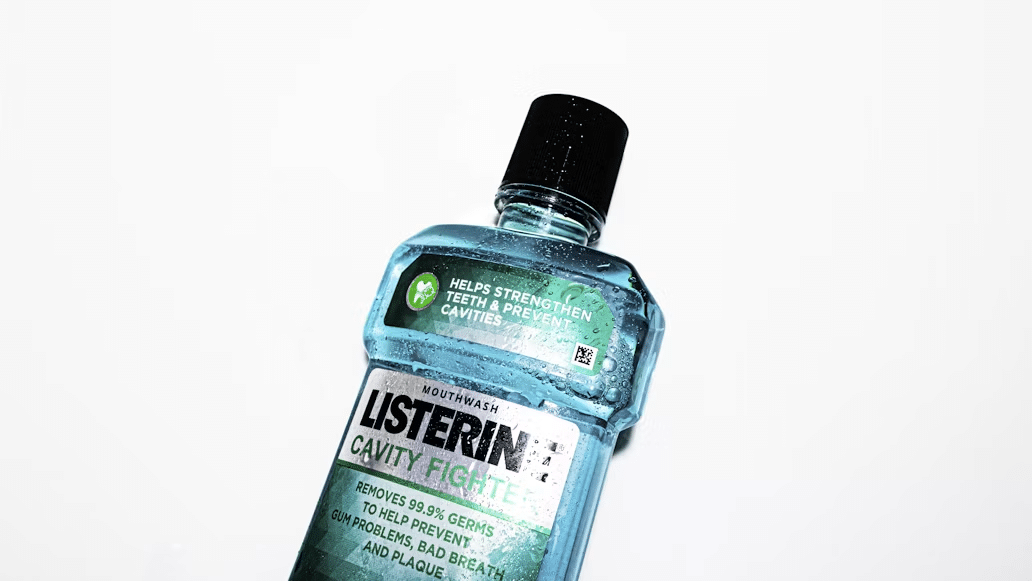
Is Mouthwash Necessary? What Dentists Actually Recommend

mouthwash benefits

Mouthwash can be a valuable addition to your daily oral hygiene routine. Depending on the formula you choose, mouthwash benefits may include fresher breath, stronger enamel, added cavity protection, and better control of plaque or gingivitis. However, not every rinse does the same job, and not every patient needs the same product. 

At Smith Dental Care, we want our patients to understand how mouthwash works, when we may recommend it, and how to choose a rinse that supports their individual oral health needs. 

Is Mouthwash Really Necessary? 

For most people, mouthwash is not a replacement for the essential parts of daily dental care. Brushing twice a day with quality toothpaste and cleaning between your teeth with floss once a day remains the foundation of a healthy routine. 

However, that does not mean mouthwash is unnecessary. The right rinse can provide additional support in areas where you need it most. We may recommend one to help prevent cavities, manage plaque, support gum health, relieve dry mouth, or address persistent bad breath. 

Think of mouthwash as another useful tool rather than a shortcut. It works best when combined with consistent brushing, flossing, healthy eating habits, and regular dental visits. 

Not All Mouthwash Is the Same 

Before choosing a bottle based on its flavor or packaging, look at what the product is designed to do. Mouthwashes generally fall into two categories: cosmetic and therapeutic. 

A cosmetic rinse can temporarily freshen your breath and leave your mouth feeling cleaner. However, it may not address the bacteria or dental condition causing an unpleasant odor. 

Therapeutic mouthwash contains active ingredients intended to produce a specific oral health result. Depending on the product, it may be formulated to:

  • Help prevent tooth decay
  • Strengthen tooth enamel
  • Reduce plaque buildup
  • Help control gingivitis
  • Relieve symptoms of dry mouth
  • Reduce bacteria associated with bad breath

Some therapeutic rinses are available over the counter, while others require a prescription. We can help you determine which type makes sense for your smile. 

Fluoride Rinses Can Provide Extra Cavity Protection 

Fluoride helps strengthen enamel and makes teeth more resistant to acid attacks that contribute to decay. Although fluoride toothpaste provides important daily protection, some patients may benefit from adding a fluoride rinse. 

We may suggest a fluoride mouthwash for someone who has a history of frequent cavities, orthodontic appliances, exposed tooth roots, or another factor that increases the risk of decay. It may also be helpful when brushing certain areas thoroughly is difficult. 

More fluoride is not automatically better for every person, however. Product directions and professional recommendations matter, especially when selecting oral care products for children. 

Antimicrobial Mouthwash Can Support Gum Health 

Plaque contains bacteria that can irritate the gums. If plaque is not removed effectively, the gums may become red, tender, swollen, or prone to bleeding. Certain antimicrobial mouthwashes can help reduce bacteria and supplement a strong home-care routine. 

A rinse may be especially useful for patients managing gingivitis or those who have difficulty cleaning effectively around dental work or orthodontic appliances. In some cases, we may prescribe a stronger rinse for short-term use following a procedure or while treating a particular condition. 

Mouthwash cannot remove hardened tartar, and it does not replace professional dental cleanings. Still, it can play a positive supporting role in maintaining healthier gums. 

Mouthwash May Help with Bad Breath 

Temporary bad breath can develop after eating certain foods or drinking coffee. A refreshing rinse can quickly improve how your mouth tastes and smells. When bad breath continues despite regular brushing and flossing, however, simply covering the odor may not be enough. Persistent bad breath can be associated with plaque buildup, gum disease, tooth decay, dry mouth, or another concern that deserves attention. 

We encourage you to tell us if bad breath has become a recurring problem. Once we identify the likely cause, we can recommend a rinse or treatment that addresses more than the symptom. 

How to Use Mouthwash Effectively 

Follow these steps to get the most from your mouthwash: 

  1. Read the product label. Check how much mouthwash to use, how long to rinse, and how often the product is recommended.
  2. Measure the correct amount. Use the cap or a measuring cup rather than estimating.
  3. Swish for the recommended time. Move the rinse throughout your mouth, including around your teeth and along the gumline.
  4. Spit it out completely. Mouthwash should never be swallowed. Follow the label’s instructions regarding eating, drinking, or rinsing with water afterward.
  5. Use it at the appropriate time. Some rinses are best used separately from brushing to avoid washing away the concentrated fluoride from your toothpaste.
  6. Ask us for personalized guidance. We can recommend the right product, frequency, and timing based on your oral health needs.

Find the Right Oral Care Routine for Your Smile 

The most important mouthwash benefits come from selecting the right formula and using it as part of a complete dental care routine. A rinse can offer meaningful additional support for your teeth, gums, and breath, but recommendations should reflect your health history and current needs. 

At Smith Dental Care, we provide personalized guidance to help patients throughout Tyler make confident oral care choices. If you have questions about mouthwash or want to improve your daily routine, contact us to schedule an appointment. 

© 2026 Smith Dental Care | All Rights Reserved | Site Map
Back to Top
Privacy Policy - Terms of Use - HIPAA Notice - Accessibility Statement - Nondiscrimination Notice