
Posts by: admin

What Happens During a Same-Day Emergency Dental Visit?
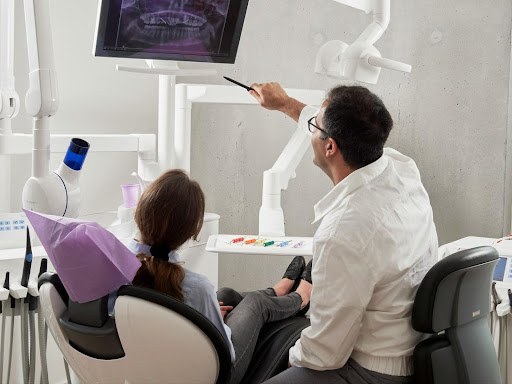
emergency dentist Tyler TX

A sudden toothache or broken tooth can interrupt your entire day. Beyond the discomfort, you may wonder how quickly you can get help, what treatment will involve, and whether the problem can be resolved immediately. Knowing what to expect when visiting an emergency dentist in Tyler, TX, can make an unexpected situation feel more manageable. 

At Smith Dental Care, we offer same-day appointments when available for urgent dental concerns. Our first priorities are understanding the problem, evaluating your oral health, and explaining how we can help. Here is what typically happens during an emergency visit. 

Your Visit Starts with a Phone Call 

Calling before coming to our office gives us an opportunity to understand your symptoms and discuss appointment availability. Describe what happened, when the problem started, and whether you have pain, swelling, bleeding, or a damaged tooth. 

Useful details include: 

  • Whether pain is constant or comes and goes
  • Sensitivity to hot or cold temperatures
  • Pain when biting or chewing
  • A recent injury to your mouth
  • A loose, broken, or missing restoration
  • Any medications taken for discomfort

You do not need to know a diagnosis before calling. A description of your symptoms helps us determine the urgency and provide appropriate instructions while you wait. If the pain seems to ease before your appointment, keep the visit. Symptoms can fluctuate, and temporary relief does not necessarily mean the underlying problem has resolved on its own. 

We Review Your Symptoms and Health History 

Once you arrive, we gather information about your dental concern and overall health. Even when one tooth seems to be the obvious problem, your medical history matters when planning treatment. 

Tell us about medications, allergies, medical conditions, and recent dental procedures. If you have already taken pain medication, share the name, dose, and time you took it. We also want to hear how the problem affects you. Difficulty sleeping, eating, or opening your mouth can provide useful information. 

Let us know if you feel anxious about treatment so we can discuss your comfort needs.  

A Focused Examination Helps Identify the Cause 

An emergency examination usually concentrates on the area causing trouble. We may check the affected tooth, nearby teeth, gums, and surrounding tissues for signs of damage or infection. 

Depending on your symptoms, the examination may include checking your bite, testing sensitivity, or assessing whether a tooth is loose. Dental X-rays may be needed to evaluate areas we cannot see directly, including roots and supporting bone. 

Pain does not always reveal its source accurately. What feels like a problem in one tooth may involve another area. The examination helps us recommend treatment based on the findings rather than symptoms alone. 

We Explain Your Treatment Options 

After evaluating the problem, we explain what we found and discuss the next steps. You should understand what treatment is intended to accomplish, whether alternatives exist, and whether additional appointments may be needed. 

Depending on the diagnosis, options may include: 

  • Repairing a tooth with a filling
  • Protecting a damaged tooth with a temporary restoration
  • Planning a crown for a weakened tooth
  • Root canal treatment for an affected tooth
  • Removing a tooth that cannot reasonably be restored
  • Arranging additional care or a specialist referral

Not every option is appropriate for every patient. We consider the tooth’s condition, your health, and the likely outcome before recommending a treatment plan. 

Same-Day Care May Include Stabilizing the Problem 

A same-day visit does not always mean every stage of treatment will be completed immediately. Some problems can be addressed during the appointment, while others require temporary protection, further evaluation, or follow-up treatment. 

For example, a damaged tooth may need a temporary restoration before a permanent crown is ready. A more complex problem may require coordinated care. Medication may be appropriate in some situations, but antibiotics are not needed for every toothache and do not replace treatment of the underlying dental problem. We determine whether they are indicated based on your diagnosis and health history. 

You Leave with Instructions for What Comes Next 

Before you leave, we explain how to care for the affected area and what follow-up is necessary. Instructions may cover eating, brushing, medication use, and protecting a temporary restoration. Ask questions if anything is unclear. Knowing which symptoms are expected, and which require another call, helps you manage recovery. 

Seek immediate medical attention for difficulty breathing or swallowing, uncontrolled bleeding, or a serious facial injury. These symptoms may require care beyond a dental office. 

Get Help for an Unexpected Dental Problem 

You do not have to figure out the cause of dental pain on your own. An examination can clarify what is happening and help prevent delays in appropriate treatment. 

At Smith Dental Care, we provide clear explanations and compassionate care throughout your visit. If you need an emergency dentist in Tyler, TX, contact our office to discuss your symptoms and ask about same-day availability.
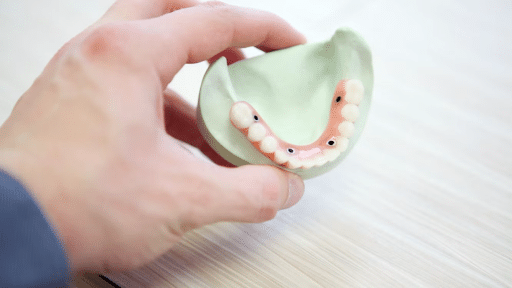

Dental Implant vs. Bridge vs. Partial Denture: Which Option Makes Sense?

dental implants Tyler TX

Tooth loss can affect more than the appearance of your smile. It may change how you chew, alter your speech, and allow nearby teeth to shift. If you are considering dental implants in Tyler, TX, it is helpful to compare implants with bridges and partial dentures before choosing a treatment.

At Smith Dental Care, we evaluate your oral health, goals, and budget before recommending a solution. Each option can restore function and appearance, but they differ in stability, treatment process, maintenance, and long-term considerations.

Why Replacing a Tooth Matters

Replacing missing teeth can help distribute chewing forces more evenly and prevent neighboring teeth from moving into open spaces. It may also make eating and speaking more comfortable.

The right restoration depends on several factors:

  • Number and location of the teeth being replaced
  • Health of the gums and jawbone
  • Condition of neighboring teeth
  • Overall medical health
  • Comfort with oral surgery
  • Desired stability
  • Treatment timeline
  • Insurance coverage and budget

A dental exam and appropriate imaging allow us to assess these factors before discussing specific treatment options.

Comparing the Three Options

So what is the difference? Take a look at this table that breaks it down. 


Consideration Dental Implant Dental Bridge Partial Denture
Basic design Implant post supports a replacement tooth Replacement tooth is supported by neighboring teeth Removable appliance replaces one or several teeth
Surgery required Usually yes Usually no Usually no
Effect on nearby teeth Typically does not require altering them Supporting teeth usually must be reshaped Uses remaining teeth for support or retention
Stability Fixed and highly stable Fixed in place Removable and may have some movement
Bone stimulation Can help preserve bone around the implant Does not replace the tooth root Does not replace the tooth root
Cleaning Requires brushing and cleaning around the implant Requires cleaning beneath the bridge Removed for daily cleaning
Treatment time Often takes several months, depending on healing Usually completed more quickly Often completed without surgery
Initial cost Generally higher Usually moderate Often the lowest initial cost


These are broad comparisons. Treatment complexity and cost vary based on your oral health and the restoration required.

Dental Implants: Independent Support

A dental implant replaces the tooth root with a post placed in the jawbone. After the area heals, the implant supports a crown designed to look and function like a natural tooth. One major advantage is that an implant generally does not rely on neighboring teeth. It can also provide strong support for chewing and help maintain bone in the treated area.

Implants are not appropriate for everyone. Bone loss, gum disease, smoking, certain medical conditions and some medications may affect candidacy or healing. Bone grafting or other preparatory care may be recommended in some cases.

Dental Bridges: A Fixed, Nonsurgical Alternative

A traditional bridge uses crowns on the teeth beside an open space to support an artificial tooth between them. Because the restoration is cemented in place, it does not need to be removed for cleaning.

A bridge can be a practical choice when the supporting teeth already need crowns or when implant surgery is not desired. Treatment is also generally faster because there is no waiting period for an implant to integrate with the bone. The primary tradeoff is that the supporting teeth usually must be reshaped. 

Partial Dentures: Flexible and Removable

A partial denture replaces one or more teeth using a removable appliance supported by the remaining teeth and oral tissues. Depending on its design, it may use clasps or other attachments to remain in position.

Because it is removable, a partial may not feel as stable as an implant or bridge. Some patients need time to adjust to speaking and eating with it. The appliance must be removed and cleaned daily, while the gums and remaining natural teeth also require careful hygiene.

Which Option Lasts the Longest?

No restoration comes with a guaranteed lifespan. Longevity depends on oral hygiene, bite forces, gum health, dental visits, appliance design, and habits such as smoking or teeth grinding.

Implants can offer long-term support when they integrate successfully and receive consistent care. Bridges can also provide many years of service, but their condition is closely tied to the health of the supporting teeth. Partial dentures may require periodic adjustment, relining, or replacement as the mouth changes.

Regardless of the option selected, regular exams allow us to monitor the restoration and the surrounding tissues.

Find the Right Tooth-Replacement Solution

There is no single restoration that works best for every smile. Choosing among a dental implant, bridge, and partial denture requires a careful evaluation of your bone, gums, neighboring teeth, and personal priorities.

If you are exploring dental implants in Tyler, TX, Smith Dental Care can help you compare all appropriate tooth-replacement options without pressure. Contact us to schedule an appointment and receive a plan designed around your health, comfort, and goals.

Why Does My Tooth Hurt Only When I Bite Down? 7 Common Causes

tooth pain when biting

You may feel perfectly comfortable until you chew, clench your jaw, or press on one specific tooth. That pattern can be confusing, especially when the tooth looks normal and does not ache continuously. However, tooth pain when biting often indicates that pressure is aggravating damage, decay, inflammation, or an issue with the way your teeth meet. Because the cause is difficult to identify at home, a dental examination is the most reliable way to prevent the problem from becoming worse. 

A Crack in the Tooth 

A crack is one of the most common explanations for sharp pain during chewing. When you apply pressure, damaged portions of the tooth may move slightly. This movement can irritate the sensitive pulp inside the tooth. Some patients feel pain while biting down, while others notice a sudden sensation as they release the bite. 

Cracks are not always visible. They may be extremely small, located beneath a filling, or extend below the gumline. A cracked tooth in Tyler, TX, can result from chewing ice or hard candy, grinding your teeth, sustaining an injury, or placing repeated pressure on a large restoration. 

Treatment depends on the crack’s location and severity. A crown may protect a repairable tooth, while pulp damage may require root canal treatment. A fracture extending too far below the gumline can make saving the tooth more difficult. 

An Untreated Cavity 

A cavity begins when acids produced by oral bacteria weaken the enamel. Early decay may cause few noticeable symptoms. As it progresses into the deeper layers of the tooth, pressure from chewing may cause pain.

You might also notice sensitivity to sugary foods or hot and cold temperatures. However, the absence of these symptoms does not rule out decay. Cavities can develop between teeth, beneath old restorations, or in grooves that are difficult to examine without dental instruments and X-rays. 

A smaller cavity may only require a filling. If decay reaches the pulp, more extensive treatment may be necessary. Waiting for the tooth to hurt constantly can allow a manageable problem to become a dental emergency. 

A Loose or Damaged Restoration 

Fillings and crowns experience substantial pressure every day. Over time, a restoration may wear, crack, loosen, or develop a gap around its edge. Bacteria can enter that space and cause decay beneath the restoration. Pressure can also cause a loose filling or crown to shift slightly, irritating the tooth.

Avoid chewing on that side until the tooth can be examined. A dentist may be able to repair or replace the restoration, but the remaining tooth structure must first be checked for decay or fracture. Do not try to secure a loose crown with household glue because it is not safe for oral tissues and can complicate professional treatment. 

Inflammation or Infection Around the Root 

The living tissue inside a tooth can become inflamed because of deep decay, trauma, repeated dental procedures, or a fracture. When the pulp is severely damaged or dies, inflammation may spread to the tissues surrounding the root. The tooth can then feel sore, elevated, or painful when pressure is applied. 

An abscess may also develop near the root. Possible warning signs include persistent throbbing, gum swelling, a pimple-like bump on the gums, a bad taste, fever, or facial swelling. Dental infections do not usually resolve permanently without treatment. Depending on the diagnosis, care may include root canal therapy, drainage, or extraction. 

Gum Disease or a Localized Gum Problem 

The tooth itself is not always responsible for discomfort. Inflamed or infected gum tissue can become tender when chewing places pressure on the surrounding area. Advanced gum disease may damage the bone and ligaments that support the teeth, sometimes causing mobility or a change in the bite. 

Other signs may include red or swollen gums, bleeding during brushing, persistent bad breath, gum recession, or teeth that feel loose. A deep periodontal pocket or localized gum abscess can also create pain around a single tooth. 

Food Trapped Between the Teeth 

A piece of food lodged between two teeth can press against the gum and create surprisingly intense soreness. Fibrous meats, popcorn hulls, seeds, and other small particles are common culprits. This problem may be more frequent when there is a gap, an open contact between teeth, gum recession, or a damaged restoration. 

Gently floss around the area and rinse with warm water. Never use pins, knives, or other sharp objects to remove trapped material. If the discomfort persists or food repeatedly collects in the same place, schedule an examination. A recurring food trap may indicate a structural or restorative problem that should be corrected. 

Schedule an Evaluation Before the Pain Gets Worse 

Even intermittent tooth pain when biting deserves professional attention. A dentist can examine your bite, test the tooth, evaluate the gums, and use digital X-rays when needed to identify the source. Early treatment may relieve discomfort while preserving more of the natural tooth. 

At Smith Dental Care, we provide thorough, compassionate evaluations in a welcoming environment. We will listen to your concerns, explain what is causing the problem, and review your treatment options without pressure. Same-day appointments may be available for urgent dental concerns. Contact us today to schedule an appointment.

What’s Actually Included in a Comprehensive Dental Exam?

new patient exam Tyler

If you are scheduling a new patient exam in Tyler, TX, you may be wondering how the appointment differs from a routine dental checkup. A comprehensive exam gives us an opportunity to understand your current oral health, learn about your dental and medical history and establish a baseline for future care. It is not simply a quick look at your teeth. It is a detailed evaluation designed to identify existing concerns, assess potential risks, and help you make informed decisions about your smile. 

At Smith Dental Care, we want every patient to feel comfortable and involved throughout the process. We explain what we are evaluating, discuss our findings clearly, and make time for your questions. 

A Review of Your Medical and Dental History 

Your oral health is closely connected to your overall health. Before examining your teeth, we review your medical history, current medications, allergies, and any conditions that could affect dental care. 

We may also ask about: 

  • Previous dental procedures or complications
  • Current tooth pain or sensitivity
  • Bleeding gums or changes in your mouth
  • Dental anxiety or past negative experiences
  • Teeth grinding or jaw discomfort
  • Sleep, tobacco use, and other relevant health factors
  • Your personal goals for your smile

This information helps us provide care that is appropriate for your health, needs, and comfort level. It also allows us to identify whether any precautions or treatment modifications may be necessary. 

Digital X-Rays and Diagnostic Imaging 

Some oral health problems cannot be seen during a visual examination. Digital X-rays allow us to examine areas between the teeth, below existing restorations, and beneath the gumline. They may reveal cavities, bone loss, infections, impacted teeth, or other concerns that are not visible from the surface. 

The type and number of images needed depend on your age, oral health, symptoms, and available dental records. We do not take X-rays simply because you are new to our office. We consider which images are necessary to make an accurate diagnosis while avoiding unnecessary exposure. 

Digital technology also makes it easier to review images with you. We can point out specific areas and explain why we are recommending monitoring or treatment. 

A Thorough Examination of Your Teeth 

During the clinical portion of the appointment, your dentist carefully evaluates each tooth. The goal is to find active problems and identify early changes that could become more serious without attention.

The examination may include checking for:

  • Tooth decay
  • Cracks, chips, or unusual wear
  • Loose or damaged fillings
  • Problems with crowns, bridges, or other restorations
  • Signs of grinding or clenching
  • Changes in tooth color or structure
  • Areas of sensitivity
  • Bite-related concerns

Detecting a small cavity or weakened restoration early may allow more conservative treatment. Waiting until discomfort develops can sometimes mean the damage has progressed and requires a more involved procedure. 

A Gum Health Evaluation 

Healthy gums and bone provide the foundation that supports your teeth. That is why a comprehensive visit includes evaluating the tissues surrounding them. We look for redness, swelling, recession, and bleeding. When appropriate, we may measure the spaces between the teeth and gums and assess the bone levels visible on your X-rays. These findings help us determine whether your gums are healthy or show signs of gingivitis or periodontal disease. 

Gum disease can advance with few noticeable symptoms. A patient may not experience pain even when inflammation or bone loss is present. A careful evaluation gives us the information needed to recommend the appropriate preventive cleaning or periodontal care. 

An Evaluation of Your Bite and Jaw 

The way your upper and lower teeth come together can affect comfort, function, and long-term wear. We evaluate your bite and may look for signs that pressure is not being distributed evenly. 

Jaw clicking, limited movement, headaches, worn enamel, and fractured restorations may be associated with clenching, grinding, or bite concerns. These symptoms do not always have a single cause, so we consider them alongside your medical history, examination, and reported experience. 

If further evaluation or treatment is appropriate, we will explain what we found and discuss the available next steps. 

Screening the Soft Tissues of Your Mouth 

Your teeth are only one part of your oral health. We also examine areas such as your gums, tongue, cheeks, lips, and the roof and floor of your mouth. This allows us to look for sores, swelling, discoloration, or other tissue changes that may require monitoring or further evaluation. 

Many changes are harmless or temporary, but an unusual area that does not heal should not be ignored. Regular professional examinations make it easier to recognize changes and determine whether additional attention is needed. 

Your Personalized Treatment Plan 

After the examination, we review our findings with you. If treatment is needed, we organize recommendations based on urgency and your priorities. An active infection or structurally compromised tooth may need attention before an elective cosmetic procedure, for example. 

Your plan may include immediate care, preventive recommendations, and concerns that can simply be monitored. We also discuss costs, insurance considerations, and available financing options whenever applicable. 

Schedule a Comprehensive Exam at Smith Dental Care 

A new patient exam in Tyler, TX, provides the foundation for personalized dental care. By combining your health history, digital imaging, a detailed clinical evaluation, and an open conversation about your goals, we can develop a plan that supports your comfort and long-term oral health. 

At Smith Dental Care, we welcome patients of all ages and strive to make every visit informative, respectful, and comfortable. If you are ready to better understand your oral health, contact us to request an appointment today.