
Posts by: admin

Implant Restoration to Protect and Complete Your Smile

implant restoration

Dental implants are designed to be a long-lasting solution for missing teeth. While the implant itself serves as a stable foundation, the restoration placed on top is what completes your smile and restores everyday function. An implant restoration plays a key role in protecting the implant and ensuring your bite feels natural and secure.

At Smith Dental Care, we focus on restoring dental implants in a way that blends comfortably with your existing teeth. Whether you need a crown, bridge, or another type of restoration, careful planning helps support both durability and appearance.

What Is an Implant Restoration?

An implant restoration is the visible portion of a dental implant. After the implant post is placed and allowed to integrate with the jawbone, a custom-made restoration is attached to complete the process.

Depending on your needs, this may include:

  • A dental crown for a single missing tooth

  • A bridge supported by implants

  • A denture stabilized by implants

The restoration is what allows you to chew, speak, and smile with confidence. It is designed to look and function like a natural tooth while working securely with the implant beneath it.

Why the Restoration Matters

While the implant provides structural support, the restoration protects it from daily wear and pressure. A properly designed implant restoration helps distribute bite forces evenly and maintain alignment with surrounding teeth.

Without an appropriate restoration, the implant cannot serve its intended purpose. The crown or prosthetic placed on top must fit precisely to ensure comfort and stability.

In addition, the appearance of the restoration plays an important role. Shape, size, and shade are selected carefully to complement your natural teeth and maintain a balanced smile. The goal is for the restoration to blend in rather than stand out.

The Implant Restoration Process

Restoring a dental implant typically involves several steps to ensure proper fit and function.

Evaluation and Planning

Before placing the restoration, we evaluate how the implant has healed and confirm that it is stable. Digital imaging and impressions create a restoration that fits accurately with your bite and surrounding teeth.

Custom Fabrication

Each implant restoration is custom-designed based on your unique dental structure. Modern materials allow for durable, natural-looking results that are crafted to match the color and contour of nearby teeth.

Placement and Adjustment

Once the restoration is ready, we carefully secure it to the implant. We may make minor adjustments to improve alignment and bite balance. We take time to ensure the restoration feels comfortable before final placement is complete.

Follow-up visits may be recommended to confirm that everything remains stable and functioning properly.

Comfort and Everyday Function

One of the primary benefits of implant restoration is restored function. A well-designed crown or prosthetic allows you to eat and speak with greater ease than leaving a missing space.

Because dental implants integrate with the jawbone, the restoration feels stable when properly fitted. Patients often appreciate the secure feel compared to removable options. This stability can make daily activities like chewing and speaking feel more natural.

There may be a short adjustment period as you get used to the restored tooth, but most patients adapt quickly once normal routines resume.

Protecting Your Implant Restoration

Maintaining good oral hygiene is essential for protecting both the implant and the restoration. Although the restoration itself cannot develop decay, the surrounding gum tissue must remain healthy to support long-term success.

Regular brushing, flossing, and routine dental visits help monitor the condition of the implant and ensure the restoration remains secure. During checkups, we examine the area carefully to confirm proper fit and gum health.

Addressing minor concerns early can help prevent complications and support long-term performance.

Supporting Long-Term Oral Health

Replacing missing teeth with implants and completing them with proper restorations can help maintain overall oral stability. Filling gaps prevents neighboring teeth from shifting and helps preserve bite alignment.

An implant restoration also supports the natural contours of your smile, contributing to facial balance and structural support. Maintaining this alignment can play a role in long-term comfort.

Every patient’s situation is unique. We design treatment plans that reflect individual needs, overall oral health, and long-term goals.

Is Implant Restoration Right for You?

Implant restoration may be appropriate if you already have a dental implant that needs a crown or replacement prosthetic. It may also be part of a broader treatment plan following implant placement.

A consultation allows us to evaluate your implant, discuss your concerns, and determine the best next steps. We take time to explain the process clearly so you feel informed and comfortable with your decision.

Completing Your Smile with Confidence

Dental implants provide a strong foundation, but the restoration is what completes your smile. When carefully planned and properly fitted, an implant restoration supports daily comfort, function, and appearance.

At Smith Dental Care, we approach implant restoration with attention to detail and personalized care. If you have questions about restoring a dental implant or would like to explore your options, our team is here to guide you through the process.
 

Dental Crowns That Restore Strength and Natural Appearance

dental crowns

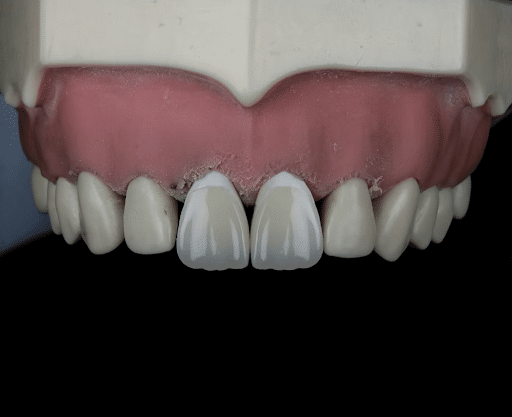
When a tooth becomes weakened, cracked, or heavily restored, preserving its function and appearance becomes a priority. Dental crowns offer a reliable solution by reinforcing damaged teeth while blending seamlessly with your natural smile. Designed to restore both durability and aesthetics, crowns remain one of the most trusted treatments in modern dentistry.

Understanding when a crown is recommended, how the process works, and what materials are available can help patients feel confident about their treatment decisions.

What Is a Dental Crown?

A dental crown is a custom-fitted restoration that completely covers the visible portion of a tooth above the gum line. It acts like a protective cap, strengthening the underlying structure while restoring the tooth’s shape, size, and appearance.

Crowns are commonly used to:

  • Protect a tooth after root canal treatment
  • Reinforce a tooth with a large filling
  • Restore a cracked or fractured tooth
  • Improve the appearance of severely discolored or misshapen teeth
  • Anchor a dental bridge
  • Complete a dental implant

By fully encasing the tooth, a crown provides structural support that a filling alone cannot offer.

When Is a Crown Necessary?

Not every damaged tooth requires a crown. However, when decay or structural compromise reaches a certain point, more comprehensive reinforcement is often needed.

For example, teeth that have undergone root canal therapy can become brittle over time. Because the inner pulp has been removed, the tooth loses some of its natural resilience. A crown protects it from fracture during everyday biting and chewing.

Similarly, if a large cavity requires removal of significant tooth structure, a filling may not provide enough support. In these cases, a crown distributes bite forces more evenly and reduces the risk of further breakage.

Your dentist evaluates several factors before recommending a crown, including the extent of damage, remaining tooth structure, and overall bite alignment.

Materials that Blend Strength with Beauty

Modern crowns are designed to look remarkably natural. Advances in dental materials allow restorations to match surrounding teeth in color, translucency, and contour.

Common crown materials include some of the following:

  • Porcelain or Ceramic: These are often chosen for front teeth because they closely mimic the appearance of natural enamel. Ceramic crowns offer excellent aesthetics and are metal-free, making them ideal for patients with sensitivities.
  • Porcelain-Fused-to-Metal: This option combines strength with cosmetic appeal. A metal substructure provides durability, while the outer porcelain layer maintains a natural look.
  • Zirconia: Zirconia crowns are known for their exceptional strength and resistance to wear. They are often used for molars and high-pressure bite areas, though they can also be designed for aesthetic zones.

The best material depends on the tooth’s location, bite forces, cosmetic expectations, and overall oral health.

The Crown Placement Process

Receiving a crown typically involves two appointments.  

First Visit: Preparation and Impressions

The dentist reshapes the damaged tooth to create space for the crown. Any decay is removed, and the remaining structure is carefully contoured. Impressions or digital scans are then taken to create a custom restoration that fits precisely.

We usually place a temporary crown to protect the tooth while we fabricate the final crown in a dental laboratory.

Second Visit: Final Placement

Once the permanent crown is ready, we remove the temporary one. The dentist checks the fit, color, and bite alignment before bonding the crown securely in place. Minor adjustments ensure comfort and function.

When properly placed, a crown should feel natural and stable, blending seamlessly with surrounding teeth.

Strength Without Sacrificing Appearance

One of the biggest concerns patients have is whether a crown will look obvious. Today’s materials and digital design techniques allow highly customized results.

We carefully match shading to neighboring teeth. In addition, we consider surface texture and light reflection to ensure the crown does not appear flat or artificial. When placed on visible teeth, we craft crowns with aesthetics in mind, so the restoration enhances rather than distracts from your smile.

Caring for a Crown

Although crowns are strong, they are not indestructible. Proper oral hygiene is essential for long-term success.

Patients should:

  • Brush twice daily with fluoride toothpaste
  • Floss carefully around the crown margins
  • Attend routine dental cleanings and exams
  • Avoid chewing ice or hard objects

While the crown itself cannot decay, the underlying tooth and surrounding gum tissue can still develop problems if you neglect oral hygiene. With proper care, many crowns last 10 to 15 years or longer.

Let Smith Dental Care Help with Your Dental Crown Needs

When thoughtfully designed and properly placed, dental crowns provide a dependable solution for strengthening damaged teeth while maintaining a natural appearance. If you’re experiencing discomfort, have a fractured tooth, or want to explore restorative options, we’re here to help.

At Smith Dental Care, we take a personalized approach to restorative treatment, focusing on durability, aesthetics, and long-term oral health. Contact us today to schedule a consultation and learn how we can restore strength and beauty to your smile.


Dentures That Fit Comfortably and Look Natural

dentures

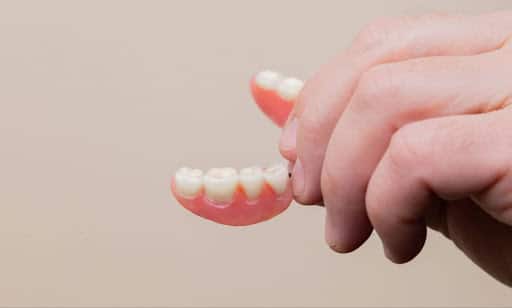
Losing teeth can affect more than just your smile. It can change how you eat, speak, and feel about your appearance. For many patients, replacing missing teeth is an important step toward restoring confidence and daily comfort. Modern dentures are designed to do more than simply fill gaps. They’re created to fit securely, function properly, and look natural.

At Smith Dental Care, we understand that choosing dentures is a personal decision. Our goal is to provide options that feel comfortable, support oral health, and help you smile with confidence again.

Understanding Today’s Dentures

Dentures have come a long way from the bulky, artificial-looking appliances people may remember from years ago. Advances in materials and design allow dentures to better mimic the appearance of natural teeth and gums.

Today’s dentures are crafted to reflect natural tooth shape, size, and color. When properly fitted, they can restore both function and appearance while blending naturally with your facial features. Careful customization helps ensure that your smile looks balanced and appropriate for you.

There are several types of dentures available, depending on your needs.

Full Dentures

Full dentures are used when all teeth in the upper or lower arch need to be replaced. They rest on the gums and are custom-made to provide a secure and balanced fit.

Partial Dentures

Partial dentures are designed for patients who still have some healthy natural teeth. They fit around remaining teeth and help prevent shifting while restoring missing areas. This support can help preserve alignment and improve overall stability when chewing.

During your consultation, we evaluate your oral health and discuss which type of denture may be most appropriate for your situation.

The Process of Getting Dentures

The process of receiving dentures typically involves several steps to ensure proper fit and function. It begins with a thorough evaluation and detailed impressions of your mouth. These impressions allow us to create a custom appliance designed specifically for your anatomy.

Once your dentures are ready, careful adjustments are made to improve comfort and alignment. Follow-up visits are an important part of the process. Minor refinements are often needed as your mouth adapts to the new appliance.

It’s normal to experience a brief adjustment period. Speech may feel slightly different at first, and certain foods may take practice. Most patients adapt with time, and we provide guidance throughout this transition to help make the process smoother.

Comfort Matters

One of the most common concerns patients have about dentures is comfort. Ill-fitting dentures can cause irritation, sore spots, or difficulty speaking and chewing. That’s why precision and proper fit are so important.

If discomfort occurs, adjustments can often resolve the issue. Our team works with patients to fine-tune fit and address concerns promptly. A well-fitting denture should feel stable and allow you to go about your daily routine without ongoing irritation.

Natural Appearance and Confidence

Dentures should enhance your smile in a way that looks balanced and natural. Modern materials allow careful customization of tooth shade, contour, and positioning.

The goal is not to create an artificial-looking smile, but one that complements your facial structure and feels like your own. Replacing missing teeth can also help support facial muscles, maintaining a more natural appearance over time.

For many patients, restoring their smile positively impacts how they feel in social and professional settings.

Supporting Oral Health

Dentures do more than restore appearance. They help maintain proper chewing function, which supports overall nutrition. When partial dentures are used, they can also help prevent remaining teeth from shifting out of alignment.

Even with dentures, regular dental visits remain important. We monitor gum health, check appliance fit, and ensure your oral tissues remain healthy. These routine evaluations help identify changes early and maintain long-term comfort.

Caring for Dentures

Proper care helps extend the life of dentures and protect your oral health. You should clean your dentures daily, using recommended products to remove plaque and debris. Additionally, you need to handle them carefully to avoid damage.

When not in use, dentures are typically stored in water or a prescribed solution to prevent drying. Over time, natural changes in gum tissue may affect how dentures fit. Routine checkups allow us to determine if relining or adjustments are needed to maintain comfort and stability.

Are Dentures Right for You?

Choosing dentures depends on the number of missing teeth, overall oral health, and personal preferences. Some patients explore alternative restorative options, while others find that traditional dentures meet their needs effectively.

A consultation allows us to review your goals, explain available options, and answer any questions you may have. We tailor every treatment plan to the individual, ensuring a thoughtful and supportive approach.

Restoring Comfort and Confidence

Tooth loss can feel overwhelming, but modern dentures offer a reliable way to restore comfort and appearance. With proper fit, guidance, and routine care, they can support daily function and help you feel more confident in your smile.

At Smith Dental Care, we focus on providing personalized care and clear communication so patients feel informed at every stage. If you have questions about dentures or would like to explore your options, our team is here to help.

Invisalign Treatment for a Straighter, Confident Smile

Invisalign

A straighter smile can make a noticeable difference in how you feel about your appearance and your oral health. For many patients, the idea of traditional braces can feel intimidating or inconvenient, especially for adults and teens with busy schedules. That’s where Invisalign offers a modern alternative. At Smith Dental Care, we provide Invisalign treatment as a discreet, comfortable option for patients who want to improve their smile without the look or feel of metal braces.

Understanding how Invisalign works and whether it’s right for you can help you feel confident about your orthodontic choices.

What Is Invisalign?

Invisalign is an orthodontic treatment that uses a series of clear, removable aligners to gradually move teeth into proper alignment. Each aligner is custom-made to fit your teeth and is designed to make small, controlled adjustments over time.

Because the aligners are clear, Invisalign is far less noticeable than traditional braces. Many patients appreciate that they can straighten their teeth without drawing attention to the treatment itself, especially in professional or social settings.

How Invisalign Treatment Works

The Invisalign process begins with a thorough evaluation and digital imaging of your teeth. Using advanced technology, we create a detailed treatment plan that maps out how your teeth are expected to move throughout the process.

Patients receive a series of aligners, each worn for a short period before progressing to the next set. As you move through the aligners, your teeth gradually shift into their intended positions. Periodic check-ins allow us to monitor progress and make adjustments when needed.

One of the key benefits of Invisalign is that the aligners are removable. This allows patients to continue brushing and flossing normally, which can make it easier to maintain good oral hygiene during treatment.

Another important part of Invisalign treatment is patient involvement. Because the aligners are removable, success depends on wearing them consistently as directed. Staying on schedule helps ensure teeth move as planned and keeps treatment progressing smoothly. We take time to review wear guidelines and answer questions so patients feel confident managing their aligners between visits.

Who Can Benefit from Invisalign?

Invisalign can be an effective option for many teens and adults with mild to moderate alignment concerns. It is commonly used to address issues such as crowded teeth, spacing concerns, overbites, underbites, and crossbites.

During a consultation, we evaluate each patient’s individual needs to determine whether Invisalign is an appropriate option. In some cases, traditional orthodontic treatments may be recommended instead, depending on the complexity of the alignment concerns.

Comfort and Convenience

Comfort is a major reason many patients choose Invisalign. The aligners are smooth and designed to fit snugly, which helps reduce irritation to the cheeks and gums that can sometimes occur with metal brackets and wires.

Because Invisalign aligners are removable, patients can continue eating their normal diet without restrictions. This flexibility can make daily routines, social events, and special occasions easier to manage throughout treatment.

For best results, consistency is important. Aligners should be worn as directed each day to help keep treatment on track.

Invisalign for Teens and Adults

Invisalign is a popular option for both teens and adults who want a more discreet orthodontic solution. Adults often appreciate how easily Invisalign fits into professional and social environments, while teens may prefer the comfort and reduced visibility compared to traditional braces.

Regardless of age, Invisalign treatment is designed to support gradual, controlled tooth movement while prioritizing comfort throughout the process.

Oral Health Benefits of Straighter Teeth

In addition to cosmetic improvements, properly aligned teeth can support better oral health. Straighter teeth are often easier to clean, which may help reduce plaque buildup and gum irritation over time.

Correcting alignment concerns can also help distribute bite forces more evenly. This may reduce unnecessary stress on certain teeth and support improved overall function.

What to Expect During Treatment

Every Invisalign treatment plan is unique. Treatment length varies based on individual needs, but many patients begin noticing changes within the first few months.

Regular appointments allow us to track progress and ensure that aligners are working as intended. These visits are typically shorter than traditional orthodontic appointments, making Invisalign a convenient option for busy families.

At Smith Dental Care, we focus on clear communication so patients understand what to expect at each stage of treatment.

Is Invisalign Right for You?

Choosing orthodontic treatment is a personal decision. Invisalign may be a good fit if you’re looking for a discreet option that offers flexibility and comfort. However, the best way to determine suitability is through a professional evaluation.

For patients exploring Invisalign treatment options, a consultation can help clarify goals, timelines, and next steps.

A Modern Approach to a Confident Smile

Orthodontic care has evolved significantly, offering patients more choices than ever before. Invisalign provides a clear, comfortable way to achieve a straighter smile while fitting into everyday life.

At Smith Dental Care, we’re committed to helping patients feel informed and supported throughout their treatment journey. Invisalign offers a thoughtful option for those seeking improved alignment and confidence with a modern approach to care.