


Teeth Cleaning Explained: Benefits, Process, Frequency, and What to Expect
Teeth cleaning is one of the most essential yet often underestimated services in dentistry. While many people associate it with a quick polish or a routine visit, it actually plays a critical role in preventing serious dental problems and maintaining long-term oral health. At its core, teeth cleaning is both a preventive and foundational service: one that supports everything from cavity prevention to gum health and even early detection of more complex issues.
Despite brushing and flossing at home, many patients still develop plaque buildup, tartar, and early signs of gum disease without realizing it. That’s because daily care, while important, simply can’t reach every area or remove hardened deposits. Professional cleanings bridge that gap.
In this guide, we’ll break down exactly what teeth cleaning involves, why it matters more than many people think, how often you should schedule visits, and what to expect before, during, and after your appointment. We’ll also touch on how we approach preventive care at Smith Dental Care and what makes a difference in long-term oral health.
What Is Professional Teeth Cleaning?
Professional teeth cleaning is a preventive dental procedure designed to remove plaque, tartar (also known as calculus), and surface stains that build up over time. While brushing and flossing are essential daily habits, they cannot fully eliminate hardened deposits or reach every area where bacteria accumulate.
Plaque is a soft, sticky film made up of bacteria and food particles. If it isn’t removed regularly, it begins to harden within a matter of days, forming tartar. Unlike plaque, tartar cannot be removed with a toothbrush or floss. It requires specialized tools and techniques used during professional cleanings.
The primary purpose of teeth cleaning is to maintain oral health by preventing the development of more serious issues. While many patients associate cleanings with cosmetic improvements, the real value lies in prevention. Removing harmful bacteria reduces inflammation, protects gum tissue, and helps preserve the integrity of the teeth.
Why At-Home Care Isn’t Enough
Even patients with strong oral hygiene habits face limitations when it comes to at-home care. Brushing and flossing are effective, but they cannot fully address every area where buildup occurs.
- Toothbrushes can’t fully clean between teeth or below the gumline
- Flossing technique varies and often misses key areas
- Plaque hardens into tartar within 24–72 hours
- Tartar cannot be removed without professional instruments
Over time, these gaps allow bacteria to accumulate and multiply. Professional cleanings target these problem areas, ensuring that buildup is removed before it leads to inflammation, decay, or gum disease.
Why Teeth Cleaning Is So Important
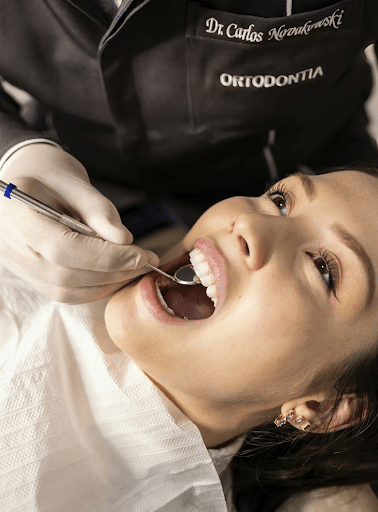
Photo by Filip Rankovic Grobhaard on Pexels
Teeth cleaning plays a much larger role than most patients realize. It’s not just about maintaining a polished smile, but recognizing it’s one of the most effective ways to prevent serious dental problems before they begin. By consistently removing plaque, tartar, and harmful bacteria, routine cleanings help protect both your teeth and your gums from long-term damage.
Beyond prevention, these visits also create opportunities to monitor changes in your oral health, identify early warning signs, and address concerns before they become more complex. When done regularly, teeth cleaning supports a proactive approach to care rather than a reactive one.
Prevention of Gum Disease
Gum disease is one of the most common oral health issues, and it often develops without noticeable symptoms in its early stages. It begins as gingivitis, which may cause mild redness or bleeding when brushing. Without intervention, it can progress into periodontitis, a more serious condition that affects the supporting structures of the teeth.
Plaque and bacteria are the primary drivers of this progression. Regular cleanings remove these irritants, reducing inflammation and helping maintain healthy gum tissue.
Cavity Prevention
Plaque doesn’t just affect the gums alone. It also plays a direct role in tooth decay. The bacteria found in plaque feed on sugars from food and drinks, producing acids that gradually weaken and break down tooth enamel. Over time, this process can lead to cavities, often without noticeable symptoms in the early stages.
Routine teeth cleaning helps stop that process before it progresses. By removing plaque buildup, especially in areas that are difficult to clean at home, professional cleanings reduce acid exposure and protect the enamel from ongoing damage. This makes them a key part of preventing cavities rather than treating them after they form.
Whole-Body Health Connection
Oral health doesn’t exist in isolation. It’s closely connected to overall health. Bacteria and inflammation in the mouth can enter the bloodstream, contributing to broader health concerns over time. Studies have shown that chronic inflammation in the mouth may contribute to conditions such as:
- Cardiovascular disease
- Diabetes complications
- Respiratory issues
Maintaining clean teeth and healthy gums may help reduce systemic inflammation and support overall wellness. With proactive and preventative care, you can better detect and address early signs of dental issues. Your dentist will get to know your oral health and be able to establish individualized care, monitoring, and treatment.
Chronic inflammation is a key factor in many systemic conditions, and untreated oral health problems can contribute to that inflammatory response. Routine teeth cleaning helps reduce harmful bacteria and supports healthier gums, which may play a role in lowering overall health risks and maintaining better long-term wellness.
Early Detection of Dental Issues
Teeth cleaning appointments also provide a valuable opportunity for routine examinations. During these visits, dental professionals evaluate the condition of your teeth and gums, looking for early signs of potential problems that may not yet be causing symptoms.
With consistent care, dentists can often identify issues in their earliest stages, including:
- Small cavities before they require extensive treatment
- Early signs of gum disease, such as inflammation or bleeding
- Enamel wear or erosion from grinding or acid exposure
- Minor cracks or chips in teeth
- Plaque buildup patterns that may lead to future problems
- Signs of infection or irritation in the gums
Catching these issues early often means simpler, less invasive treatment and helps prevent them from developing into more serious conditions that require more extensive care.
Aesthetic Benefits
While the primary goal of teeth cleaning is preventive care, it also offers noticeable cosmetic improvements. Over time, teeth can develop surface stains from foods, drinks, and lifestyle habits such as coffee consumption or tobacco use. Professional cleanings help remove these stains, leaving teeth looking brighter and more polished.
In addition, removing plaque and bacteria contributes to fresher breath and a cleaner overall feel. These improvements may seem minor compared to the health benefits, but they often make a meaningful difference in how patients feel about their smile after a visit.
How Often Should You Get Your Teeth Cleaned?
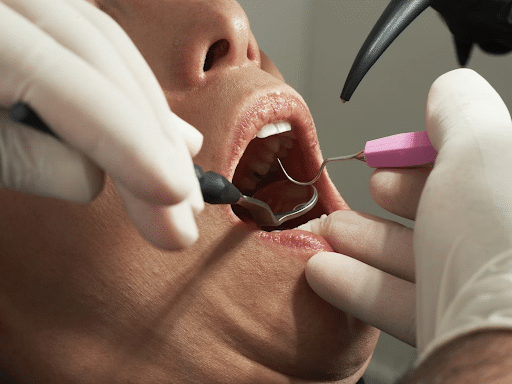
Photo by Caroline LM on Pexels
Most patients benefit from teeth cleaning every six months. And if you have dental insurance, this is generally what they allow as well. This schedule helps maintain a balance between buildup removal and ongoing monitoring.
Some individuals require more frequent care due to specific risk factors, including:
- A history of gum disease
- Tobacco use
- Chronic health conditions such as diabetes
- Orthodontic appliances that trap plaque
There is no universal schedule that applies to everyone. A personalized approach ensures that your cleaning frequency aligns with your specific needs. Following professional recommendations helps prevent problems rather than reacting to them later.
Types of Teeth Cleaning
Not all teeth cleanings are the same. The type of cleaning recommended depends on the current condition of your teeth and gums, as well as whether there are signs of disease or excessive buildup. Understanding the differences helps patients know what to expect and why a specific approach may be necessary.
Routine Cleaning (Prophylaxis)
A routine cleaning, also known as prophylaxis, is the standard preventive service for patients with generally healthy teeth and gums. This type of cleaning focuses on removing plaque and minor tartar buildup from the visible surfaces of the teeth, particularly above the gumline.
It is typically performed during regular six-month visits and is designed to maintain oral health rather than treat existing conditions. In addition to cleaning, these appointments often include polishing and a general evaluation to ensure everything remains on track.
Deep Cleaning (Scaling and Root Planing)
Deep cleaning is recommended when there are signs of gum disease, such as inflammation, gum recession, or pockets forming between the teeth and gums. Unlike a routine cleaning, this procedure goes below the gumline to remove bacteria and tartar that have accumulated around the roots of the teeth.
The process involves two key steps: scaling, which removes buildup, and root planing, which smooths the root surfaces to help the gums reattach more effectively. This type of cleaning is more involved and may be completed over multiple visits depending on the severity of the condition.
Periodontal Maintenance
After a deep cleaning has been completed, periodontal maintenance becomes an important part of ongoing care. Rather than returning to a standard six-month schedule, patients may be placed on a more frequent cleaning cycle to help manage gum health and prevent the disease from progressing or returning.
These visits are more targeted than routine cleanings, focusing on areas that are more susceptible to buildup and monitoring the condition of the gums over time.
Gross Debridement Cleaning
Gross debridement is used when there is a significant accumulation of plaque and tartar that makes a standard cleaning difficult to perform effectively. In these cases, the initial goal is to remove heavy buildup so that a more detailed cleaning and examination can take place afterward.
This type of cleaning is often recommended for patients who have gone for an extended period without dental care. Once the bulk of the buildup is removed, a follow-up visit is typically scheduled to complete a more comprehensive cleaning and fully assess oral health.
What Happens During Teeth Cleaning?
Understanding what happens during teeth cleaning can make the process feel more predictable and comfortable. While the steps are fairly standard, each one plays a specific role in protecting your oral health and ensuring nothing is overlooked during your visit.
Initial Examination
The appointment typically begins with a visual examination performed by a dental hygienist or dentist. This step allows them to assess the overall condition of your teeth and gums before starting the cleaning process. They look for signs of inflammation, plaque buildup, gum recession, and any visible concerns such as early decay or irritation.
This initial check also helps determine if a standard cleaning is appropriate or if a more involved treatment may be needed. If anything unusual is noticed, it can be addressed early, which is one of the key benefits of routine visits.
Plaque and Tartar Removal (Scaling)
Scaling is the most important part of the cleaning process. Using either manual instruments or ultrasonic tools, the hygienist removes plaque and hardened tartar from the surfaces of the teeth. Special attention is given to the gumline and the tight spaces between teeth where buildup tends to accumulate.
This step is critical because tartar cannot be removed with brushing or flossing at home. If left in place, it can contribute to gum inflammation and increase the risk of cavities. Removing it regularly helps maintain a healthier environment in the mouth and prevents minor issues from progressing.
Polishing the Teeth
After scaling, the teeth are polished using a rotating tool and a mildly abrasive paste. This process smooths the surface of the enamel, making it more difficult for plaque to stick moving forward. It also helps remove surface stains caused by common factors like coffee, tea, or certain foods. Polishing leaves the teeth feeling noticeably smoother and cleaner, and it contributes to the brighter appearance many patients notice after a cleaning.
Flossing and Rinsing
Once polishing is complete, the hygienist will floss between each tooth to remove any remaining debris or polishing residue. This step ensures that the spaces between teeth are thoroughly cleaned, even in areas that may be harder to reach during daily flossing at home. A rinse typically follows, helping to clear away loosened particles and leave the mouth feeling refreshed.
Fluoride Treatment (Optional but Common)
In many cases, a fluoride treatment is offered at the end of the appointment. Fluoride helps strengthen tooth enamel and can provide additional protection against cavities, especially for patients who are more prone to decay. The treatment is quick and usually involves applying a gel, foam, or varnish to the teeth.
Does Teeth Cleaning Hurt?
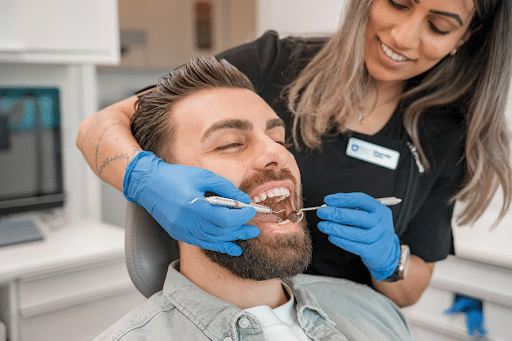
Photo by D Dental Office on Pexels
Most cleanings involve little to no pain. Some patients may feel mild discomfort, particularly in sensitive areas. However, it’s also important to know that we all react and respond differently to cleanings. These are some factors more likely to affect or increase sensitivity:
- Gum inflammation
- Heavy tartar buildup
- Existing dental issues
- Gum recession
Dental teams use gentle techniques and adjust pressure as needed. Communication is key, which means letting your provider know if you’re uncomfortable. This will help ensure a better experience. For patients with anxiety or sensitivity, numbing agents or sedation options may be available to make the experience more comfortable.
How Long Does a Teeth Cleaning Take?
The length of a teeth cleaning appointment can vary depending on your individual oral health and the type of care needed. While many patients expect a quick visit, the time required is based on how much buildup is present, whether additional evaluation is needed, and if it’s your first visit or part of a routine schedule.
For most patients receiving a standard cleaning, the appointment typically takes between 30 and 60 minutes. This allows enough time for a thorough examination, plaque and tartar removal, polishing, and any additional preventive treatments. However, appointments may take longer if there are areas that require extra attention or if it has been a while since your last visit.
Several factors can influence how long your cleaning will take:
- Amount of buildup – Heavier plaque or tartar accumulation requires more time to remove safely and effectively
- Type of cleaning – Routine cleanings are quicker, while deep cleanings or more involved procedures take longer
- First visit vs. routine visit – Initial appointments often include more comprehensive evaluations, which can extend the timeframe
In general, the goal is not speed but thoroughness. Taking the time to properly clean and assess your teeth helps ensure better long-term results and reduces the likelihood of needing more extensive treatment later.
What to Expect After a Teeth Cleaning
After a teeth cleaning, most patients notice an immediate difference in how their teeth feel. The surfaces are smoother, cleaner, and free of the buildup that can make teeth feel rough or dull. While the experience is generally positive, there are a few normal aftereffects and simple care steps to keep in mind.
For many people, the results are noticeable right away, but it’s also common to experience mild sensitivity, especially if there was significant buildup removed or if the gums were slightly inflamed before the appointment. This sensitivity is usually temporary and tends to resolve within a day or two.
Below is a quick breakdown of what you can expect and how to handle it:
| Category | Details |
| Immediate Aftereffects | Smooth, clean feeling; possible mild sensitivity |
| Post-Cleaning Care Tips | Avoid very hot or cold foods if sensitive; maintain brushing and flossing routine |
| When to Follow Up | Routine scheduling; additional treatments if recommended |
It’s important to continue your normal oral hygiene routine after a cleaning, even if your teeth feel especially clean. Brushing and flossing help maintain those results and prevent plaque from building up again too quickly.
If sensitivity lingers or you notice anything unusual, it’s always a good idea to reach out to your dental provider. Otherwise, staying consistent with regular visits and daily care will help you get the most long-term benefit from each cleaning.
Cost of Teeth Cleaning and Insurance Coverage
Professional teeth cleaning is one of the most accessible and cost-effective dental services available. Compared to restorative treatments such as fillings, crowns, or periodontal procedures, cleanings are relatively affordable and often partially or fully covered by insurance.
The cost of a standard cleaning can vary depending on several factors, including location, the condition of your oral health, and the type of cleaning required. Routine cleanings generally fall within a moderate price range, while more advanced procedures such as deep cleanings may cost more due to their complexity and the time involved.
Most dental insurance plans prioritize preventive care, which means teeth cleaning is often covered at a high percentage when performed at recommended intervals. However, coverage details can vary, so it’s important to review your specific plan or speak with your provider to understand what is included.
Teeth Cleaning for Children
Children should begin visiting the dentist around their first birthday or when their first tooth appears. Early visits focus on monitoring development and introducing children to dental care in a positive way.
Establishing dental care early helps:
- Build strong oral hygiene habits
- Prevent early childhood cavities
- Monitor proper tooth development
A supportive and gentle approach is key to helping children feel comfortable. Positive early experiences can shape how they view dental care for years to come, making them more likely to maintain regular visits as they grow older.
How to Maintain Results Between Cleanings
Maintaining the results of your teeth cleaning comes down to what you do between visits. To keep your smile in the best possible condition between appointments, focus on:
- Daily oral hygiene habits – Brushing at least twice a day and flossing daily helps remove plaque before it has a chance to harden into tartar
- Diet and lifestyle factors – Limiting sugar and acidic foods can reduce the risk of decay, while avoiding tobacco products supports healthier gums and fresher breath
- Consistency in your routine – Sticking to a regular oral care routine ensures long-term results and helps prevent small issues from developing into larger problems
By staying consistent with these habits, you can extend the benefits of each professional cleaning and maintain a healthier, more stable foundation for your oral health.
Why Choosing the Right Dental Provider Matters
The quality of your dental care experience depends heavily on the provider you choose. A thorough, patient-focused approach ensures that cleanings are effective and comfortable.
Important factors include:
- Attention to detail during cleanings
- Clear communication about oral health
- Personalized recommendations
- A focus on prevention rather than reactive treatment
At Smith Dental Care, we approach teeth cleaning as a critical part of long-term care and not just a routine service. Our focus is on creating a comfortable environment where patients feel informed and supported at every stage.
Our team emphasizes gentle dental care with sedation solutions as needed. We offer preventive care strategies that address your unique needs and work to educate our patients to maintain results at home as well. Our goal is to build lasting relationships built on trust and consistency.
Final Thoughts
Teeth cleaning plays a vital role in maintaining oral health, preventing disease, and supporting overall wellness. While it may seem like a simple appointment, its impact extends far beyond the surface, helping to protect your teeth, your gums, and your long-term health.
At Smith Dental Care, we’re here to help you take that next step. If you’re ready to schedule your next teeth cleaning or want to learn more about your options, contact us today. We’d be happy to help you move forward with confidence and take control of your oral health.