


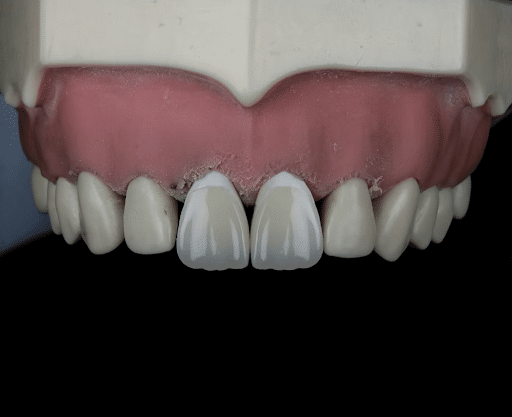
Dental Crowns That Restore Strength and Natural Appearance
When a tooth becomes weakened, cracked, or heavily restored, preserving its function and appearance becomes a priority. Dental crowns offer a reliable solution by reinforcing damaged teeth while blending seamlessly with your natural smile. Designed to restore both durability and aesthetics, crowns remain one of the most trusted treatments in modern dentistry.
Understanding when a crown is recommended, how the process works, and what materials are available can help patients feel confident about their treatment decisions.
What Is a Dental Crown?
A dental crown is a custom-fitted restoration that completely covers the visible portion of a tooth above the gum line. It acts like a protective cap, strengthening the underlying structure while restoring the tooth’s shape, size, and appearance.
Crowns are commonly used to:
- Protect a tooth after root canal treatment
- Reinforce a tooth with a large filling
- Restore a cracked or fractured tooth
- Improve the appearance of severely discolored or misshapen teeth
- Anchor a dental bridge
- Complete a dental implant
By fully encasing the tooth, a crown provides structural support that a filling alone cannot offer.
When Is a Crown Necessary?
Not every damaged tooth requires a crown. However, when decay or structural compromise reaches a certain point, more comprehensive reinforcement is often needed.
For example, teeth that have undergone root canal therapy can become brittle over time. Because the inner pulp has been removed, the tooth loses some of its natural resilience. A crown protects it from fracture during everyday biting and chewing.
Similarly, if a large cavity requires removal of significant tooth structure, a filling may not provide enough support. In these cases, a crown distributes bite forces more evenly and reduces the risk of further breakage.
Your dentist evaluates several factors before recommending a crown, including the extent of damage, remaining tooth structure, and overall bite alignment.
Materials that Blend Strength with Beauty
Modern crowns are designed to look remarkably natural. Advances in dental materials allow restorations to match surrounding teeth in color, translucency, and contour.
Common crown materials include some of the following:
- Porcelain or Ceramic: These are often chosen for front teeth because they closely mimic the appearance of natural enamel. Ceramic crowns offer excellent aesthetics and are metal-free, making them ideal for patients with sensitivities.
- Porcelain-Fused-to-Metal: This option combines strength with cosmetic appeal. A metal substructure provides durability, while the outer porcelain layer maintains a natural look.
- Zirconia: Zirconia crowns are known for their exceptional strength and resistance to wear. They are often used for molars and high-pressure bite areas, though they can also be designed for aesthetic zones.
The best material depends on the tooth’s location, bite forces, cosmetic expectations, and overall oral health.
The Crown Placement Process
Receiving a crown typically involves two appointments.
First Visit: Preparation and Impressions
The dentist reshapes the damaged tooth to create space for the crown. Any decay is removed, and the remaining structure is carefully contoured. Impressions or digital scans are then taken to create a custom restoration that fits precisely.
We usually place a temporary crown to protect the tooth while we fabricate the final crown in a dental laboratory.
Second Visit: Final Placement
Once the permanent crown is ready, we remove the temporary one. The dentist checks the fit, color, and bite alignment before bonding the crown securely in place. Minor adjustments ensure comfort and function.
When properly placed, a crown should feel natural and stable, blending seamlessly with surrounding teeth.
Strength Without Sacrificing Appearance
One of the biggest concerns patients have is whether a crown will look obvious. Today’s materials and digital design techniques allow highly customized results.
We carefully match shading to neighboring teeth. In addition, we consider surface texture and light reflection to ensure the crown does not appear flat or artificial. When placed on visible teeth, we craft crowns with aesthetics in mind, so the restoration enhances rather than distracts from your smile.
Caring for a Crown
Although crowns are strong, they are not indestructible. Proper oral hygiene is essential for long-term success.
Patients should:
- Brush twice daily with fluoride toothpaste
- Floss carefully around the crown margins
- Attend routine dental cleanings and exams
- Avoid chewing ice or hard objects
While the crown itself cannot decay, the underlying tooth and surrounding gum tissue can still develop problems if you neglect oral hygiene. With proper care, many crowns last 10 to 15 years or longer.
Let Smith Dental Care Help with Your Dental Crown Needs
When thoughtfully designed and properly placed, dental crowns provide a dependable solution for strengthening damaged teeth while maintaining a natural appearance. If you’re experiencing discomfort, have a fractured tooth, or want to explore restorative options, we’re here to help.
At Smith Dental Care, we take a personalized approach to restorative treatment, focusing on durability, aesthetics, and long-term oral health. Contact us today to schedule a consultation and learn how we can restore strength and beauty to your smile.