facebook
TYLER (903) 534-1171 REQUEST
APPOINTMENT
Make a
Payment

sedation dentistry

Is Sedation Dentistry Safe? What Tyler TX Patients Should Know
sedation dentistry

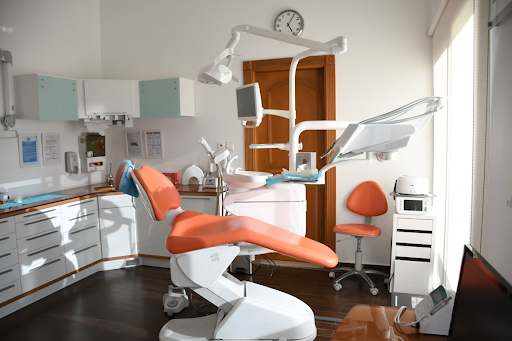
If you’ve ever delayed dental treatment because of anxiety, fear, or concerns about discomfort, you may have wondered, is sedation dentistry safe? The short answer is yes – when it is administered by trained professionals who carefully evaluate your health history, monitor you appropriately, and select the right option for your needs. For many patients, sedation can make dental care more comfortable and help them receive treatment they might otherwise avoid. 

Understanding how sedation works and what safety measures are involved can help you feel more confident about your dental visit. 

Understanding Sedation Dentistry 

Sedation dentistry uses medication to help patients feel calmer and more relaxed during dental procedures. Despite what many people assume, sedation does not necessarily mean being asleep. In many cases, patients remain awake and responsive while experiencing a deeper sense of relaxation. 

Different levels of sedation may be appropriate depending on the patient’s anxiety level, medical history, and planned treatment. The goal is always to improve comfort while maintaining patient safety. 

Why Patients Choose Dental Sedation 

There are many reasons someone might benefit from sedation during dental care. Common concerns include: 

  • Dental anxiety or dental phobia
  • Fear of needles, drills, or dental sounds
  • Previous negative dental experiences
  • Sensitive teeth or gums
  • A strong gag reflex
  • Difficulty sitting comfortably for extended periods
  • Multiple procedures being completed in a single visit

For these patients, sedation can make treatment feel much more manageable and reduce the stress associated with dental appointments. 

Dental Sedation Safety Starts with Proper Evaluation 

One of the most important aspects of dental sedation safety is determining whether a patient is a good candidate before treatment begins. 

A dental team should carefully review:

  • Medical history
  • Current medications
  • Existing health conditions
  • Previous experiences with sedation
  • The type and length of the planned procedure

This information helps determine which sedation method is most appropriate and whether any special precautions are needed. Patients should always provide complete and accurate health information so their dental team can make informed decisions. 

Common Types of Sedation Dentistry 

Not every patient needs the same level of sedation. Different options are available depending on individual circumstances. 

Nitrous Oxide 

Often called laughing gas, nitrous oxide is inhaled through a mask placed over the nose. It helps many patients feel relaxed while remaining awake and alert. One advantage of nitrous oxide is that its effects wear off quickly after treatment. Many patients can return to normal activities shortly after their appointment. 

Oral Sedation 

Oral sedation involves taking a prescribed medication before the appointment. Patients typically remain conscious but feel significantly more relaxed and may become drowsy during treatment. Because the effects can last longer than nitrous oxide, patients generally need someone to drive them to and from their appointment. 

IV Sedation 

IV sedation provides medication directly into the bloodstream and allows a deeper level of relaxation. Patients are closely monitored throughout treatment and often remember very little of the procedure afterward. This option may be recommended for patients with significant anxiety, extensive treatment needs, or situations where additional comfort is beneficial. 

What Makes Sedation Dentistry Safe? 

Safety depends on several factors working together.

  • Thorough Planning: Before sedation is administered, providers evaluate your health history and discuss expectations, risks, and instructions. 
  • Appropriate Sedation Selection: Not every patient requires the same type of sedation. Choosing the right option based on the patient’s needs helps support a safe experience. 
  • Continuous Monitoring: During treatment, patients receiving sedation are monitored to ensure they remain comfortable and respond appropriately throughout the procedure. 
  • Clear Recovery Instructions: Patients receive instructions about eating, drinking, driving, and post-treatment care when applicable. Following these instructions is an important part of maintaining safety after the appointment. 

Questions to Ask Before Choosing Sedation 

If you’re considering sedation for an upcoming dental procedure, it may help to ask: 

  • Which sedation options are available?
  • How will my medical history affect my eligibility?
  • What should I do before my appointment?
  • Will I need transportation home?
  • What can I expect during recovery?
  • How will I be monitored throughout treatment?

Open communication helps patients feel informed and comfortable with their treatment decisions. 

Sedation Can Help Patients Get Needed Dental Care 

For some people, dental anxiety becomes a barrier to maintaining oral health. Missed cleanings, postponed fillings, and delayed treatment can eventually lead to larger dental problems. 

Sedation can help remove some of those obstacles by creating a more relaxed experience. Patients who once avoided dental appointments often discover that treatment feels much easier than expected when comfort-focused options are available.

Final Thoughts 

When patients ask “is sedation dentistry safe,” the answer is generally yes, when it is provided by experienced professionals who follow established protocols and carefully evaluate each patient’s needs. Understanding the available options, discussing your concerns openly, and choosing a dental team that prioritizes patient comfort can help you feel more confident about treatment.

At Smith Dental Care, we offer nitrous oxide, oral sedation, and IV sedation options to help patients receive dental care in a comfortable, supportive environment. If dental anxiety has been keeping you from getting the treatment you need, contact our team to learn more about your sedation options and schedule an appointment. 
Sedation Dentistry in Tyler, TX: Stress-Free Dental Visits

sedation dentistry

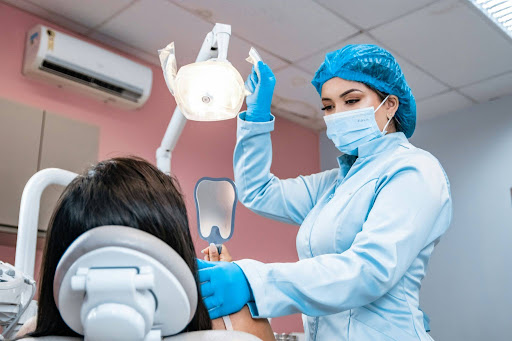
For many patients, visiting the dentist can feel stressful or uncomfortable. Whether it’s due to past experiences, anxiety about procedures, or sensitivity during treatment, those concerns can make it difficult to keep up with regular dental care. Fortunately, there are options designed to help make visits more manageable. Sedation dentistry in Tyler, TX, offers a way to support patient comfort and create a more relaxed experience during treatment.

At Smith Dental Care, we understand that every patient has different needs when it comes to comfort. Our goal is to provide a calm, supportive environment while offering solutions that help reduce anxiety and make dental care feel more approachable.

What Is Sedation Dentistry?

Sedation dentistry refers to the use of medication to help patients feel more relaxed during dental procedures. It does not replace local anesthesia, which is used to numb specific areas, but instead works alongside it to improve overall comfort.

There are different levels of sedation depending on the type of treatment and the patient’s needs. Some options help patients feel calm and at ease while remaining fully awake and responsive.

For patients who feel nervous about dental visits, sedation dentistry can make it easier to receive the care they need without unnecessary stress.

Who Might Benefit from Sedation Dentistry?

Sedation dentistry can be helpful for a wide range of patients. While it’s often associated with dental anxiety, there are several situations where it may be considered.

Patients who may benefit include those who:

  • Feel anxious or nervous about dental visits
  • Have difficulty sitting still for extended periods
  • Experience sensitivity during procedures
  • Need multiple treatments completed in fewer visits
  • Have a strong gag reflex

Every patient is different, and sedation options are discussed based on individual comfort levels and treatment needs.

A More Comfortable Dental Experience

One of the main reasons patients explore sedation dentistry in Tyler, TX, options is to improve their overall experience during treatment.

Sedation can help reduce feelings of anxiety and create a more relaxed state. This allows patients to remain comfortable while the dental team focuses on completing the procedure efficiently.

For many patients, knowing that comfort options are available can make scheduling appointments feel less overwhelming.

What to Expect During Your Visit

The process begins with a conversation about your concerns, medical history, and treatment plan. We take time to understand what makes you feel comfortable and explain available options in a clear and straightforward way.

Depending on the type of sedation used, patients may feel calm and relaxed throughout the procedure while still being able to respond to instructions.

After treatment, we provide guidance on what to expect and how to recover comfortably. Our goal is to make each step of the visit feel as smooth and predictable as possible.

Supporting Patients with Dental Anxiety

Dental anxiety is more common than many people realize. Some patients feel mild nervousness, while others may avoid dental visits altogether because of fear or discomfort.

Sedation dentistry can be a helpful option for addressing these concerns. By creating a more relaxed experience, patients may feel more comfortable returning for routine care in the future.

Over time, this can support better oral health by making it easier to maintain regular visits and address concerns early.

Combining Comfort with Quality Care

While comfort is important, it’s only one part of the overall experience. Sedation dentistry works alongside modern dental techniques to provide effective care while helping patients feel at ease.

From preventive services to more involved treatments, having comfort options available allows us to tailor care to each patient’s needs.

We focus on creating an environment where patients feel supported, informed, and comfortable throughout their visit.

Open Communication Makes a Difference

Clear communication is an important part of any dental experience, especially when sedation is involved. Before treatment, we explain what to expect, answer questions, and review any instructions.

Patients should always feel comfortable discussing concerns or preferences. Taking time to understand your needs helps ensure that your experience is as positive as possible.

This approach allows patients to feel more in control of their care while still receiving the support they need.

Making Dental Visits More Manageable

For patients who have postponed dental care due to anxiety or discomfort, sedation dentistry can provide a way to move forward. By reducing stress and improving comfort, it becomes easier to address dental concerns and maintain oral health.

Choosing a provider that offers sedation dentistry in Tyler, TX, services can help create a more approachable path to care.

A Calmer Approach to Dental Care

Dental visits don’t have to feel overwhelming. With the right approach, it’s possible to create a more comfortable and manageable experience for patients of all ages.

At Smith Dental Care, we focus on providing thoughtful, patient-centered care that supports both comfort and long-term oral health. If you’ve been putting off dental treatment or are simply looking for a more relaxed experience, sedation dentistry may be an option worth exploring.

Our team is here to help you feel at ease while receiving the care you need, so you can move forward with confidence in your dental health.

Sedation Dentistry for Stress-Free Dental Appointments

sedation dentistry

There are people who schedule dental visits without a second thought because they know they need to. And then there are those who spend days or even weeks worrying about the appointment. Some of them will never make it to scheduling because of this fear. If you fall into the second group, you’re not alone. What many patients don’t realize is that sedation dentistry offers a way to take that edge off, making dental care feel far more manageable than expected.

Learn more in our guide below. 

Dental Anxiety Is Incredibly Common

Dental anxiety can come from many different places. For some, it’s a past experience that left a lasting impression. For others, it’s the sounds, the smells, or simply the fear of discomfort. In many cases, people delay treatment because of these feelings. Over time, that delay can lead to more complex dental issues that require more involved care.

That’s where a comfort-focused approach makes such a difference. At Smith Dental Care, patient comfort is a top priority, and their team understands how important it is to create a calm, welcoming environment for every visit.

What the Term ‘Sedation Dentistry’ Actually Means

There’s a common misconception that sedation means being completely asleep. In reality, most forms of sedation simply help you feel deeply relaxed. Sedation uses medication to reduce anxiety and discomfort during dental procedures. Patients typically remain awake and responsive, but they feel calm, at ease, and often less aware of what’s happening around them.

This makes it easier to get through appointments that might otherwise feel overwhelming.

Who Can Benefit from a More Relaxed Dental Experience?

Sedation isn’t just for major procedures. It can be helpful in a wide range of situations.

You might benefit if you:

  • Feel nervous or anxious before appointments
  • Have had a difficult dental experience in the past
  • Have a strong gag reflex
  • Need multiple procedures completed in one visit
  • Avoid the dentist altogether due to fear

Many patients who once postponed care find that a more relaxed approach makes it possible to stay consistent with their oral health.

Common Types of Sedation Options

There isn’t a one-size-fits-all approach to sedation. The right option depends on your level of anxiety, the type of procedure, and your overall health. At Smith Dental Care, patients have access to different levels of sedation designed to help them feel comfortable and in control.

These include: 

  • Nitrous Oxide (Laughing Gas): This is one of the mildest forms of sedation. It’s inhaled through a small mask during your appointment and helps you feel relaxed within minutes. The effects wear off quickly, which means you can typically drive yourself home afterward.
  • Oral Sedation: Oral sedation involves taking a prescribed medication before your visit. It creates a deeper sense of relaxation, and many patients feel drowsy or have little memory of the procedure. Because of its stronger effects, you’ll need someone to drive you to and from your appointment.
  • IV Sedation: IV sedation is administered through a vein and allows for a deeper level of relaxation. It works quickly and can be adjusted throughout the procedure. Patients remain responsive but are typically very calm and may not remember much of the visit afterward.

Your dental team will walk you through each option, answer your questions, and help you choose the level of sedation that best fits your needs and comfort level.

What to Expect Before, During, and After

Before your appointment, your dental team will review your medical history, discuss your comfort level, and explain your options. If oral sedation is used, you’ll receive instructions ahead of time and may need someone to drive you to and from your visit.

During the procedure, most patients feel calm, relaxed, and sometimes slightly drowsy. Many people report that time seems to pass quickly. Afterward, you may feel lingering effects depending on the type of sedation used. Your dental team will provide clear aftercare instructions so you know exactly what to expect.

Overcoming the Cycle of Avoidance

One of the biggest challenges in dentistry is helping patients break the cycle of avoidance. Fear leads to delayed appointments, or no appointment at all in some cases. Delayed appointments lead to more serious issues. Those issues then require more extensive treatment, which can increase anxiety even further.

A relaxed, supportive approach helps interrupt that cycle. It allows patients to address concerns earlier, when treatment is often simpler and less invasive.

A Better Way to Approach Dental Care

Dental appointments don’t have to feel stressful or overwhelming. With the right approach, they can become something you handle with confidence instead of hesitation.

If you’ve been avoiding care or feeling anxious about your next visit, exploring sedation dentistry could make all the difference. At Smith Dental Care, we’re here to help you feel comfortable, supported, and confident every step of the way. Contact us today to schedule your appointment and experience a more relaxed approach to dental care.

Sedation Dentistry Options for Comfortable Dental Visits

sedation dentistry

Many people feel a sense of anxiety or fear when they see a dentist visit scheduled on their calendar for the week. Maybe it’s a past negative experience, a sensitive gag reflex, or general discomfort with dental procedures, but concerns like these are why patients often delay or avoid their appointments. At Smith Dental Care, we prioritize patients’ comfort during their care, and one of the ways we accomplish this is through sedation.

Sedation dentistry is a safe and effective option to help patients relax during their dental visit, making it much easier for them during their procedure without any additional stress or discomfort. In this article, we will walk you through how sedation works, what options are available, and what a difference it can make for your dental procedure.

What is Sedation and How Does it Work?

Sedation is a medication that is used to help patients relax and feel calmer during their dental procedures. Depending on the level of sedation, patients could experience mild relaxation, deep relaxation, or even sleep through their appointment.

Sedation is often used for longer procedures, patients who have high anxiety, or individuals who struggle to sit for long periods of time. It can also be helpful for patients with a low pain threshold, gag reflex, or difficulty responding to local anesthetics alone.

The Benefits of Sedation

Sedation benefits a wide variety of patients, such as patients who:

  • Experience anxiety or dental phobia
  • Avoid their dental appointments due to fear
  • Have sensitive gums or teeth
  • Need extensive dental work
  • Have special needs
  • Have a strong gag reflex
  • Have a hard time sitting still for long periods of time

If you have ever rescheduled or delayed a dental visit because of stress and anxiety, sedation may be the best solution to help you keep your appointment and prioritize your oral health.

Common Sedation Options

At Smith Dental Care, we personalize our treatment options to each patient. This includes choosing the right option for sedation based on your medical history, comfort level, and the procedure scheduled. Listed below are the three most common types of sedation.

  1. Nitrous Oxide

One of the most common forms of dental sedation. It’s inhaled through a mask that’s placed over the nose. This helps patients feel relaxed and at ease during their procedure. The benefits of nitrous oxide are:

  • Mild to moderate relaxation
  • Quick delivery and fast recovery
  • Allows patients to drive themselves home

Nitrous oxide is ideal for routine procedures or patients who have mild anxiety.

  1. Oral Sedation

Oral sedation is a prescription pill that you take before your appointment. This form of sedation is best for deeper relaxation than nitrous oxide. Many patients feel drowsy or slightly conscious during the procedure when taking this kind of sedation. The benefits include:

  • Reduced awareness
  • Simple administration
  • For mild to moderate dental anxiety

Since this type of oral sedation can cause severe drowsiness, patients will need someone else to drive them to and from their appointment.

  1. IV Sedation

This type of sedation is delivered directly into the bloodstream for a more controlled and deep sedation by a board certified anesthesiologist. Patients often feel like they sleep through most of the procedure, even if they are still responsive. The benefits are:

  • Quick onset
  • Adjustable sedative levels
  • Minimal memory of the procedure

This kind of sedation is most commonly used for more complex procedures or for patients who have severe dental procedure anxiety.

sedation dentistry

Is Sedation Safe?

Absolutely. When sedation is administered by a trained professional, it is extremely safe. Before your dentist recommends sedation, he or she will review your medical history and overall health to choose the best option for you. Throughout your procedure, your vitals will be closely monitored for your comfort and safety.

What Can I Expect Before and After Sedation?

Before you come in for your appointment, you will receive clear directives on what to do and not do before you arrive. There will be instructions on eating, drinking, and medications. After you are sedated, you may feel groggy for a short amount of time, depending on which method was used. Most patients report feeling relaxed and are surprised at how smoothly the visit went.

A Comfortable Path to Oral Health with Smith Dental Care

Don’t let anxiety about your dental procedure keep you from having a beautiful, healthy smile. With these sedation options, your visit to the dentist can be comfortable and stress-free. Whether it’s a simple routine cleaning or a more complex procedure, sedation can help you feel more at ease during your procedure.

At Smith Dental Care, we prioritize our patients’ safety and comfort during every procedure. If being anxious has kept you from visiting the dentist, please talk with someone on our team about sedation and if it is the right option for you.

Contact our office today to schedule your appointment, and let us help you get the care and the comfort you need to have your best and brightest smile. 

© 2026 Smith Dental Care | All Rights Reserved | Site Map
Back to Top
Privacy Policy - Terms of Use - HIPAA Notice - Accessibility Statement - Nondiscrimination Notice