

Sedation Dentistry in Tyler, TX, Explained
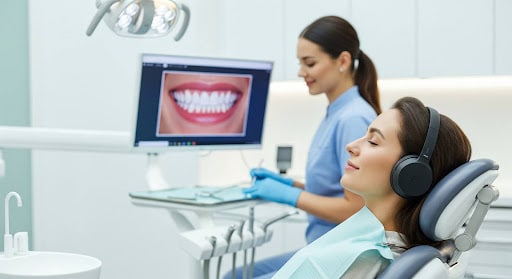
Dental anxiety can make even a routine cleaning incredibly overwhelming. For some people, fear becomes so intense that they postpone care until discomfort or oral health problems become difficult to ignore. Sedation dentistry in Tyler, TX, offers several ways to make appointments feel calmer and more manageable. Understanding how these options work can help you have a productive conversation with your dentist and decide whether additional support is appropriate for your next visit.
What Is Dental Sedation?
Dental sedation uses medication to help a patient relax before or during treatment. Although people sometimes call it “sleep dentistry,” most forms do not make the patient completely unconscious. Depending on the method and dosage, you may remain fully alert or enter a deeper state of relaxation while still responding to directions.
Sedation and local anesthesia also serve different purposes. Sedation reduces fear, anxiety and awareness of the procedure. Local anesthesia numbs the treatment area to prevent pain. Dentists often use the two together when a procedure requires both physical comfort and anxiety relief.
The right level of support depends on your medical history, anxiety level, planned procedure and previous dental experiences. A consultation allows the dental team to consider all these factors before recommending an option.
Who May Benefit from Sedation?
These methods are frequently associated with severe dental anxiety, but fear is not the only reason someone might benefit. Additional support may be considered for patients who have:
- A strong gag reflex
- Difficulty sitting still for extended periods
- Very sensitive teeth or gums
- Fear of needles, drills, or dental sounds
- A previous traumatic dental experience
- Trouble becoming numb with local anesthesia
- Multiple treatments planned during one appointment
- Special healthcare or developmental needs
Sedation may also help someone who has avoided the dentist for years feel comfortable returning. However, it does not replace compassionate communication. Patients should still receive clear explanations, opportunities to ask questions, and control over their treatment decisions.
Understanding the Three Common Options
Sedation exists on a range from minimal relaxation to deeper medication-assisted calm. The method used does not automatically determine the exact depth, so every option must be selected and administered carefully.
Nitrous Oxide
Nitrous oxide, commonly called laughing gas, is a mild option inhaled through a small mask placed over the nose. It is combined with oxygen and begins working within minutes. Patients generally remain awake, aware, and able to communicate throughout treatment.
Some people experience warmth, lightness, or tingling while breathing the gas. The amount can be adjusted during the appointment based on the patient’s response. Once the mask is removed, the effects usually wear off quickly. Many patients can return to their normal activities afterward, although the dentist should make that determination based on the individual situation.
This option may be appropriate for mild to moderate nervousness, a sensitive gag reflex, or shorter procedures.
Oral Sedation
Oral sedation involves taking prescribed medication before the appointment. It usually creates greater relaxation than nitrous oxide and may cause significant drowsiness. Patients remain conscious, but they may remember little about the procedure afterward.
This method requires more preparation. The dentist may provide instructions about eating, drinking, and taking regular medications. Because the effects can linger, patients typically need a responsible adult to drive them to and from the office and remain available during the initial recovery period.
Never take extra medication because the expected feeling has not developed quickly enough. Patients must follow the prescribed dose and timing exactly.
IV Sedation
IV sedation delivers medication directly into the bloodstream through a small intravenous line. It takes effect quickly, and the level can be adjusted throughout treatment. Patients generally remain conscious and able to respond to simple instructions, although they may sleep lightly and have little memory of the appointment.
This deeper option may be considered for severe dental phobia, extensive treatment, difficulty sitting still or procedures that would otherwise require several visits. Close monitoring is an essential part of the process. Patients also need transportation home and time to rest while the medication wears off.
Is Sedation Safe?
When administered by appropriately trained dental professionals using proper patient screening and monitoring, sedation can be a safe and effective tool. Nevertheless, every medication carries potential risks, and no single method is appropriate for everyone.
Before treatment, provide a complete and accurate health history. Tell the dental team about:
- Prescription and over-the-counter medications
- Vitamins, supplements, and recreational substances
- Allergies or previous reactions to medications
- Pregnancy or possible pregnancy
- Sleep apnea and breathing conditions
- Heart, liver, kidney, or neurological conditions
- Previous problems with anesthesia or sedation
This information helps the dentist identify possible medication interactions and choose an appropriate approach. Do not stop taking a prescribed medication unless your dentist or physician specifically directs you to do so.
Explore Comfortable Dental Care in Tyler
Choosing sedation dentistry in Tyler, TX, begins with an individual evaluation rather than selecting a medication on your own. At Smith Dental Care, we offer nitrous oxide, oral sedation, and IV sedation to accommodate different comfort levels and treatment needs. Contact us to schedule an appointment, discuss your concerns, and learn which option may help you receive care with greater confidence.